Wondricus
World Trip
the enticement!
Chapter 17
Singapore
Exhibit 155 - Jurong Bird Park
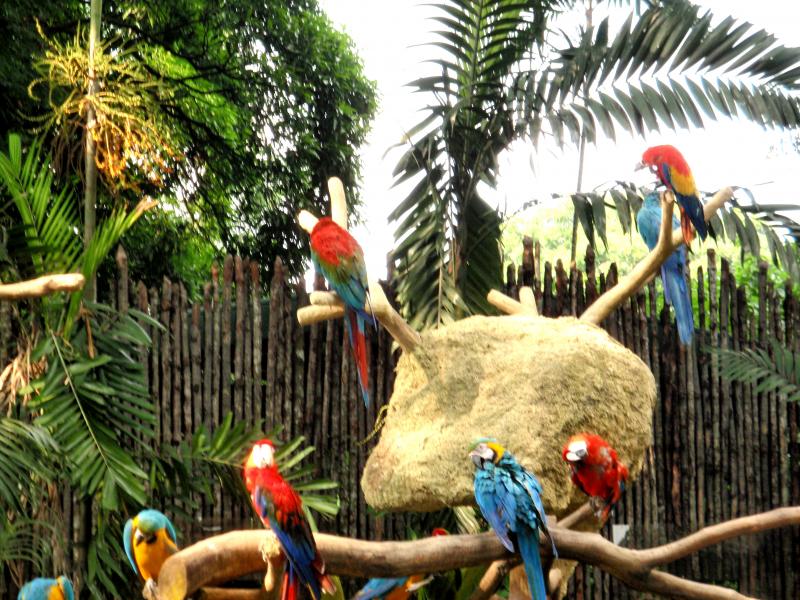
Truth in advertising, birds do park here.
Exhibit 156 - Bird show.
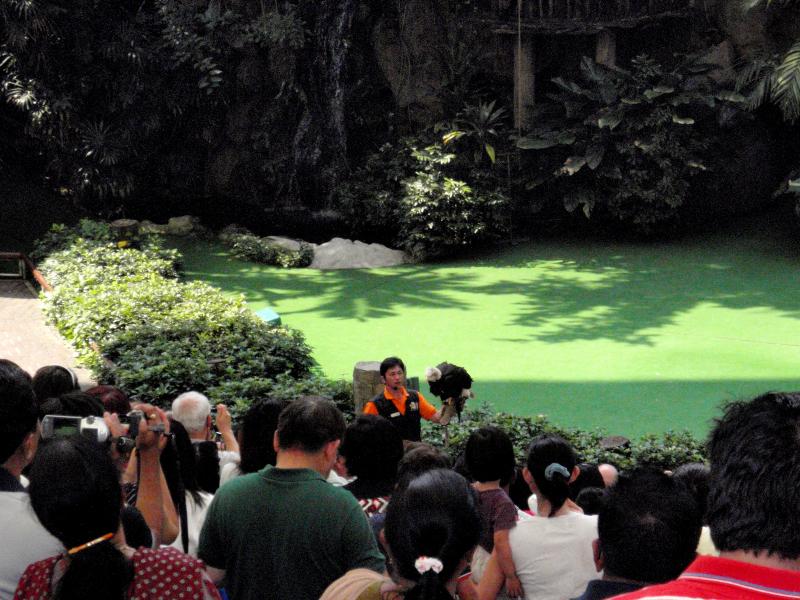
Lets start the bidding. Do I hear $8?
Exhibit 157 - Bird show, flying over the crowd.
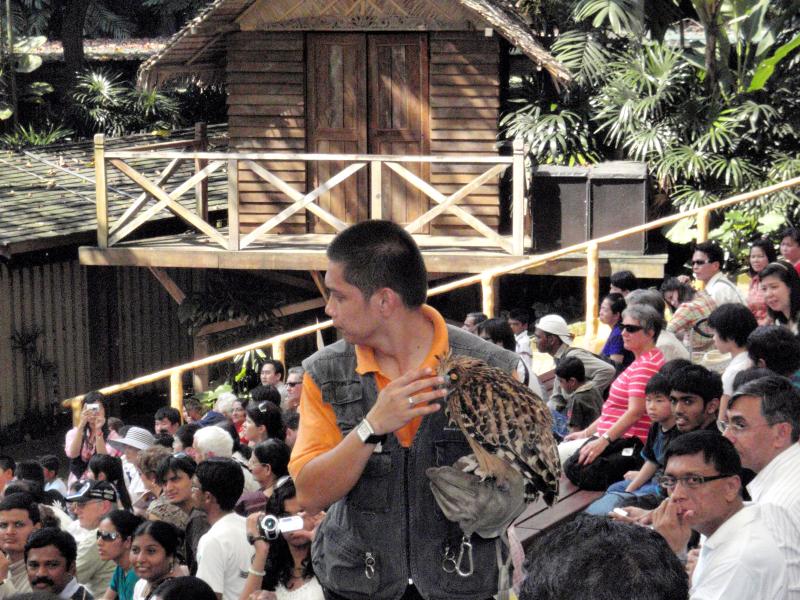
I am not playing anymore. I am taking my bird and going home.
Exhibit 158 - Eagle about to chase a toy rabbit.
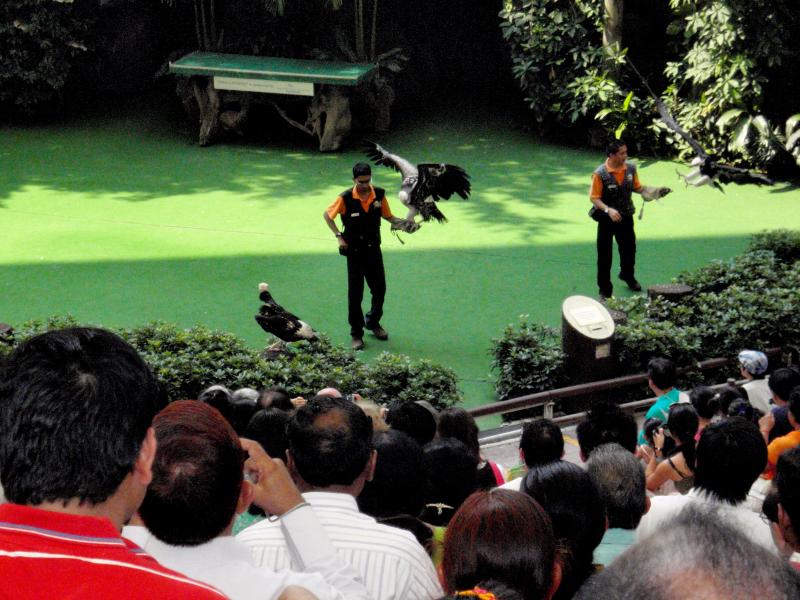
He'd rather chase the other bird.
Exhibit 159 - Posing with the symbol of wisdom.
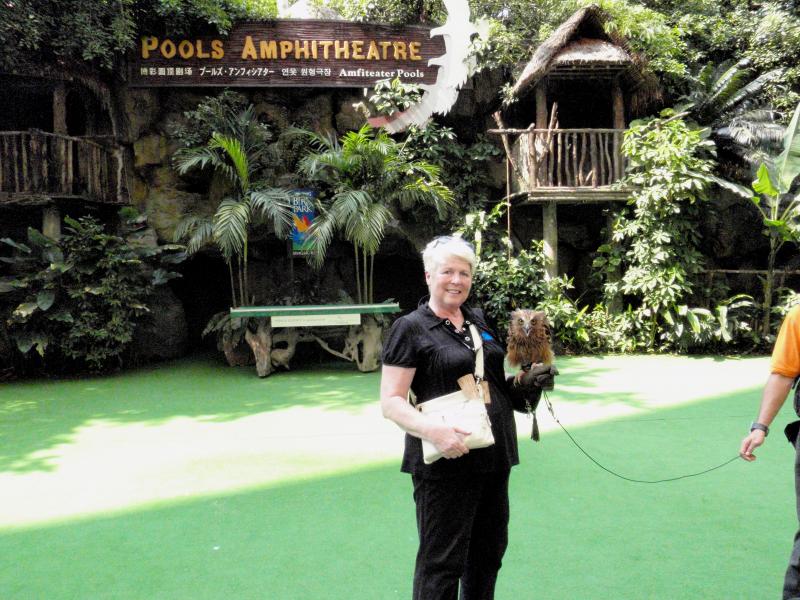
He is obviously not aware of her affinity for chicken cacciatore.
Exhibit 160 - A crowded country blessed with green space.
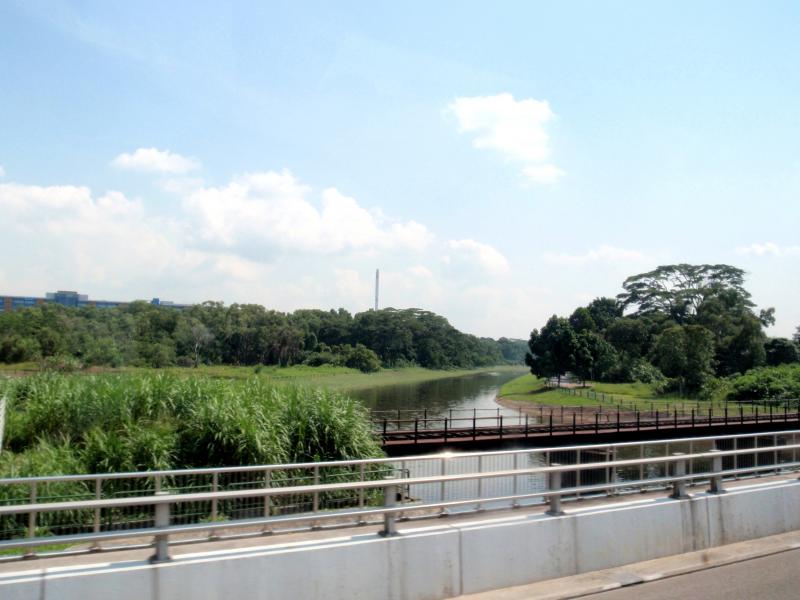
Land reclamation is important but so is preservation of marshland.
Exhibit 161 - Continuing to build.
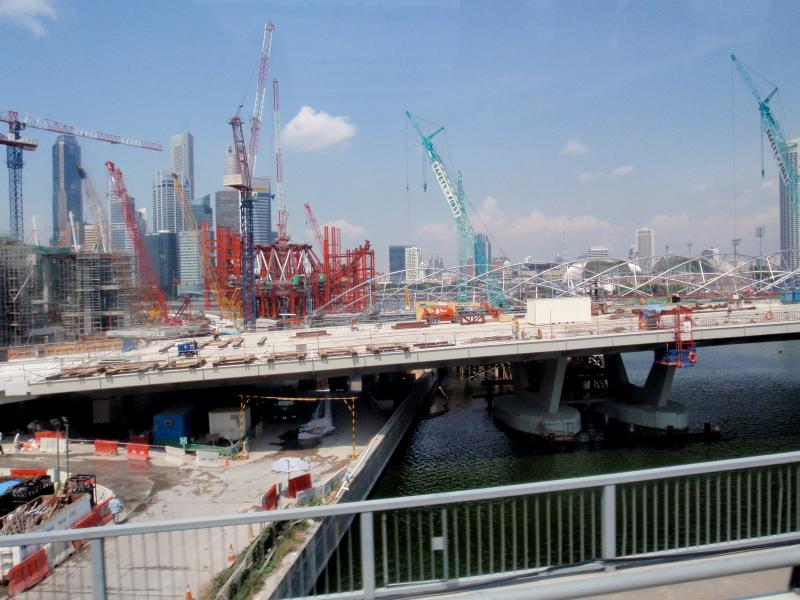
The closest you will come to see litter.
Exhibit 162 - The famous Raffles Hotel, birthplace of he Singapore sling and many business deals, some fuelled by the sling.
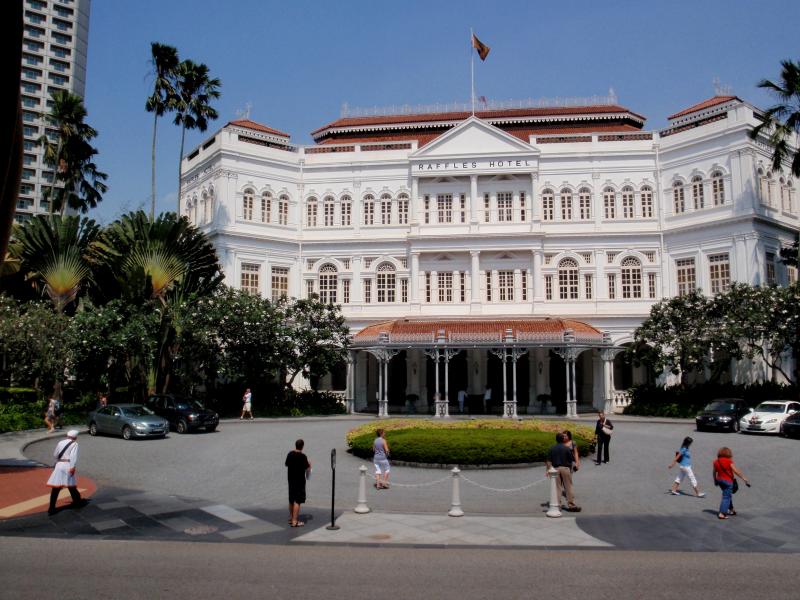
And we did not even stop for a drink!
Exhibit 163 - The ferris wheel is bigger than the London Eye.
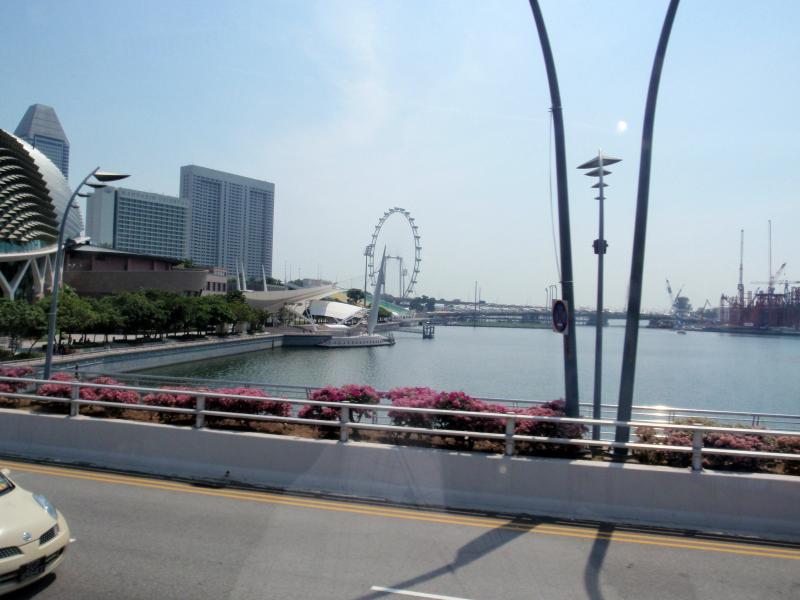
But you cannot see London from it!
Exhibit 164 - On the near side of the wheel you can see the stadium facing the floating playing field.
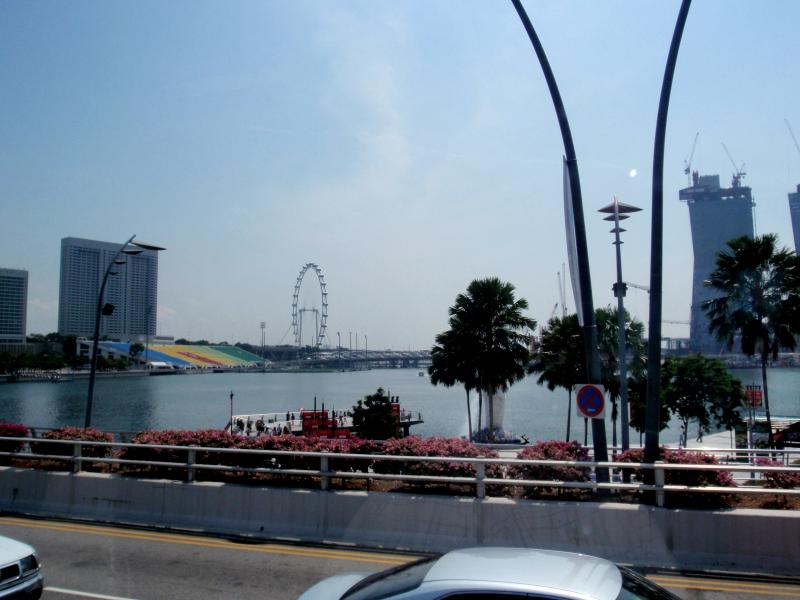
Land is scarcer than ingenuity. Makes sense. The ball floats, the players salaries float - why not the playing field.
Exhibit 165 - Singapore has the busiest port.
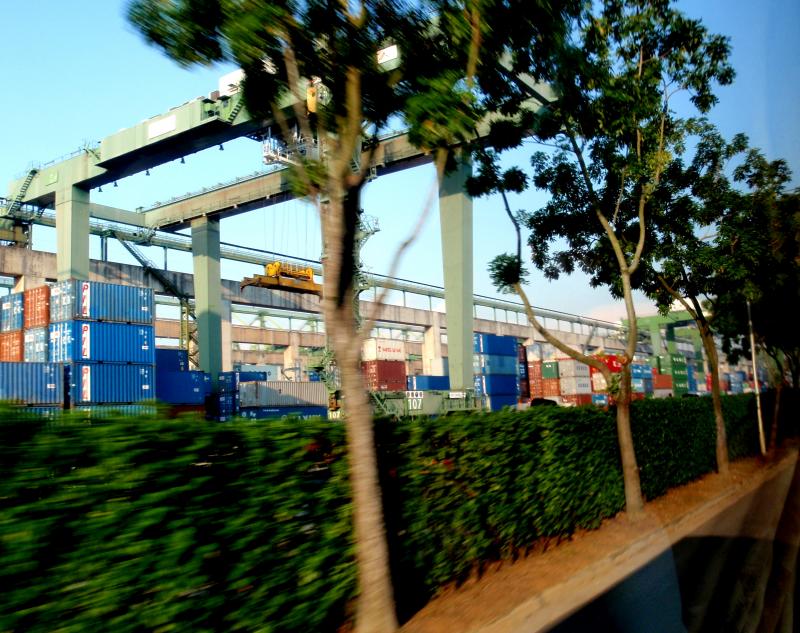
Mainly due to ease of doing business.
Exhibit 166 - Over 90% home ownership. Most live in modern high rise appartments.
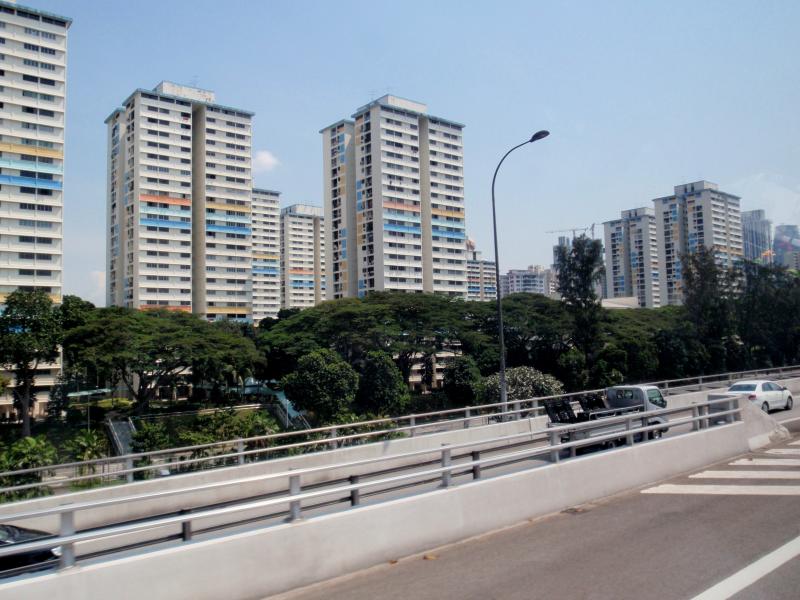
They look the same. You want to be sober when you return home.
Exhibit 167 - The Orchid is the national flower and a major export.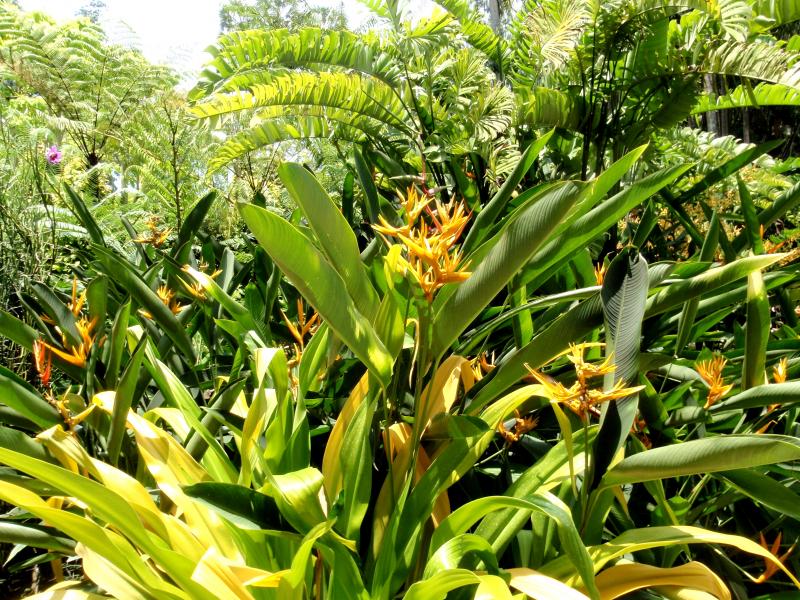
It takes a resourseful highly urbanized country to find a high value agricultural export.
Exhibit 168 - Part of the botanical garden.
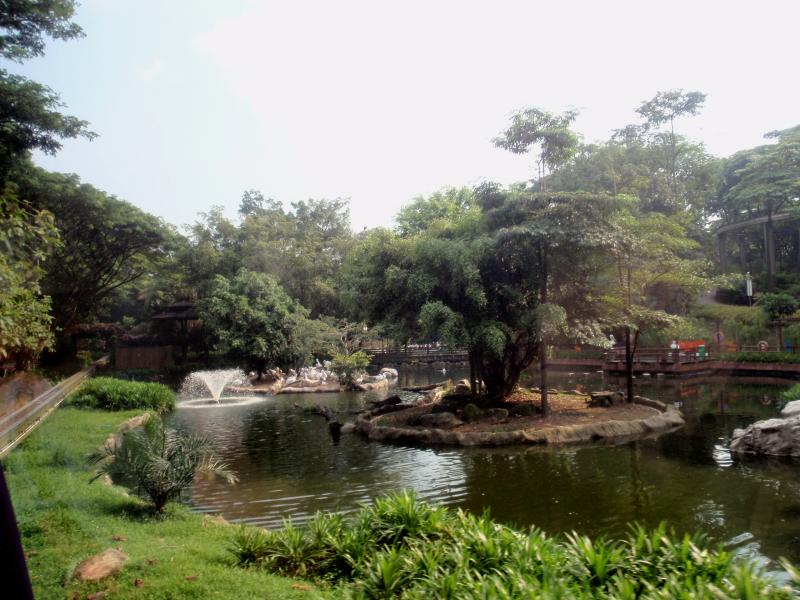
Wonderful sanctuary from urban life. They also dip orchids in gold and sell them to Shes who have been thoughtful enough tio bring husbands along.
Exhibit 169 - Part of Chinatown
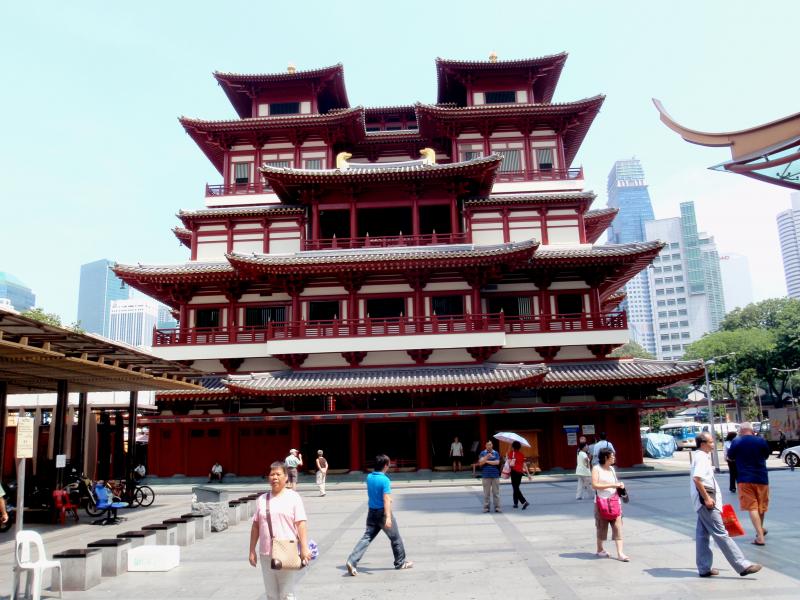
Large shopping area small value.
Exhibit 170 - Part of temptation showroom at the gem factory.
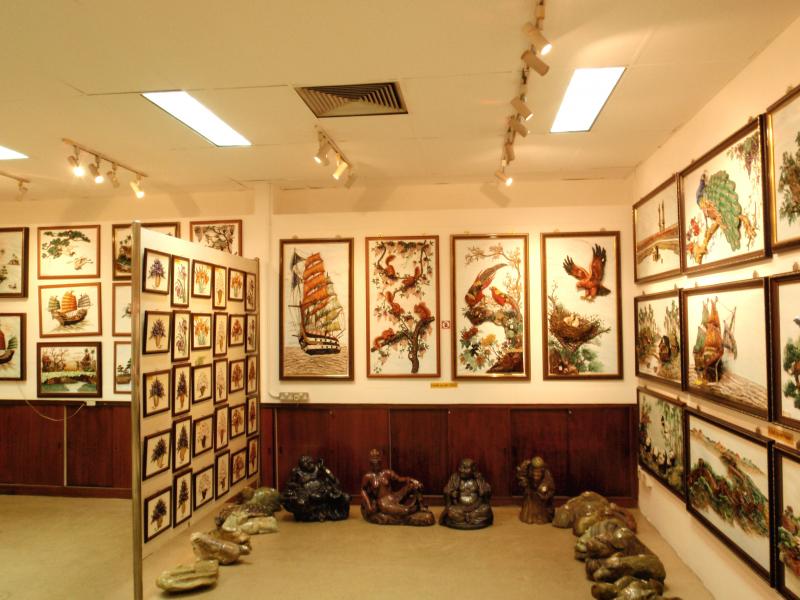
Small shopping area, high value.
Exhibit 171 - Sea lanes to the busy port.
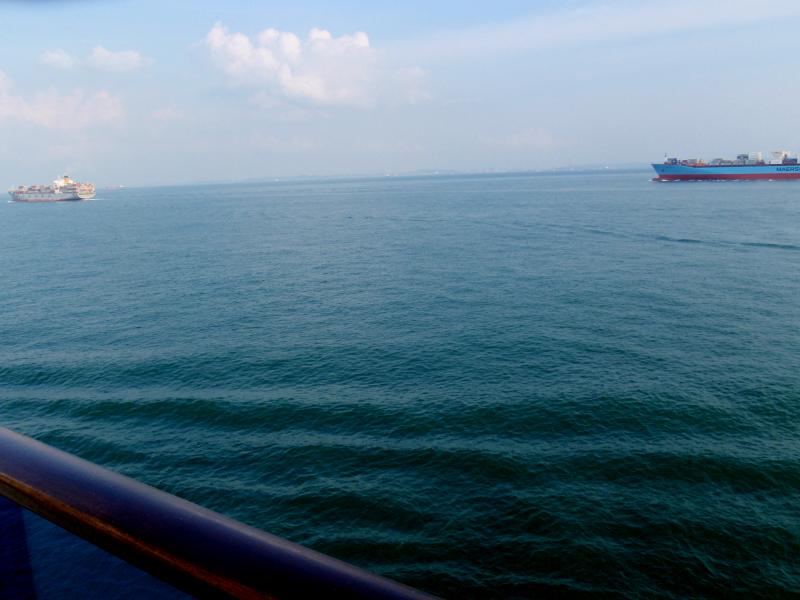
One ship in and out every three minutes.
Chapter 18 - Bangkok
Exhibit 172 - The logistics of disembarking the cruise passengers and their luggage.
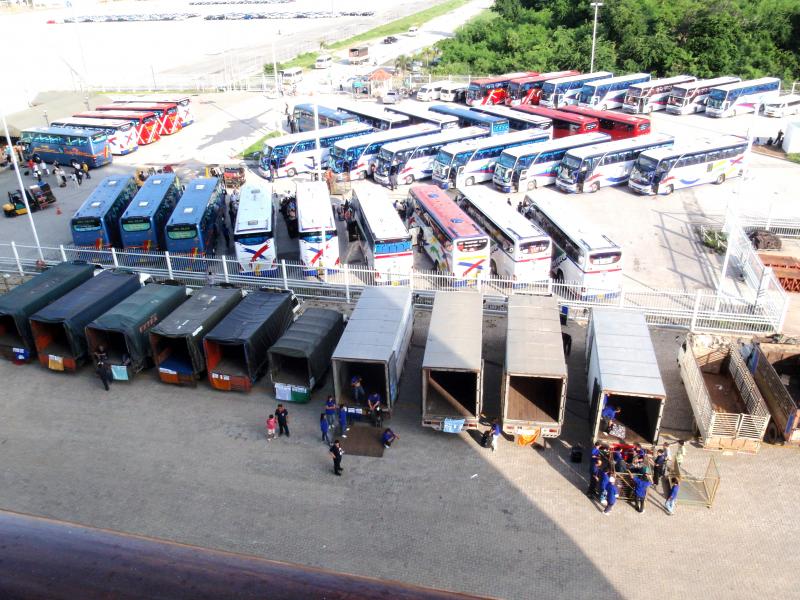
6000 suitcases, 2600 passengers, dozens of destinations and various timings.
Exhibit 173 - Thailand is a major exporter of agriculture products.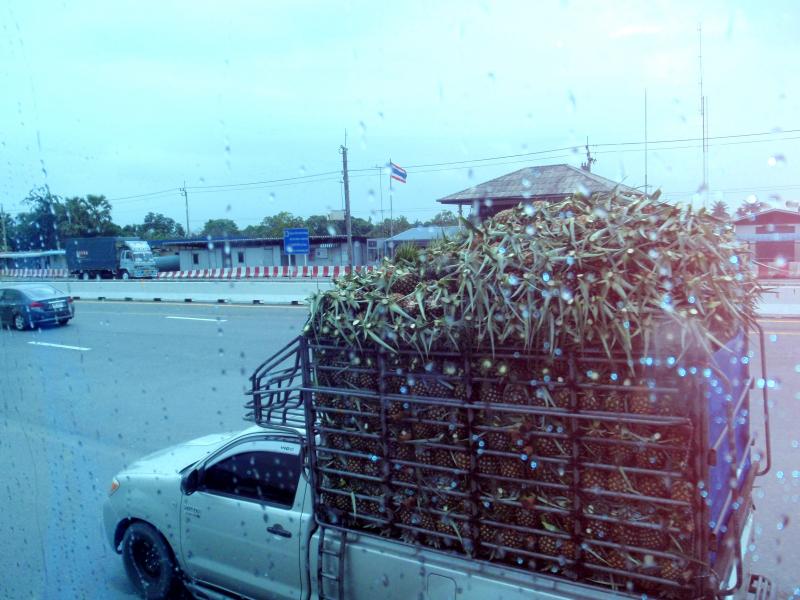
But tends to skimp on importing large trucks!
Exhibit 174 - Exhibit 155 -iew from our room in the Shangri La Hotel.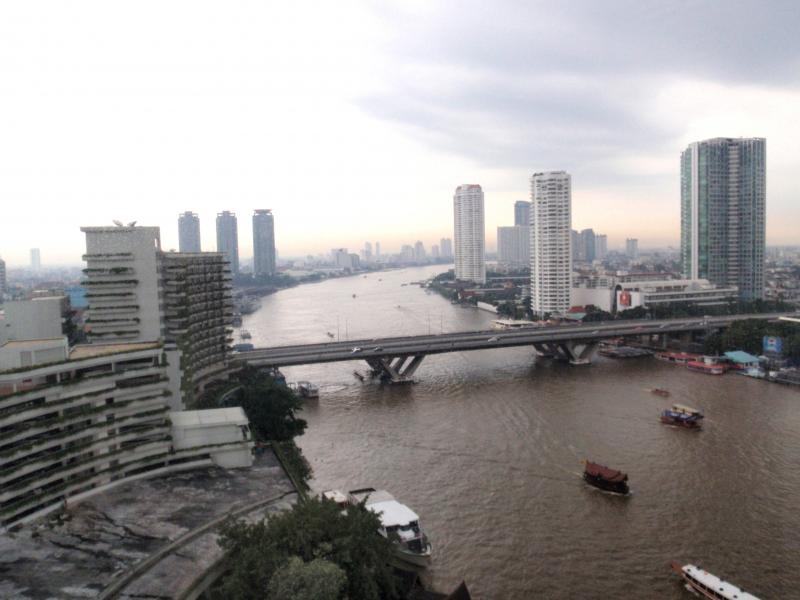
The Chao Phraya River is both a major commercial artery and a major attraction.
Exhibit 175 - View from the terrace of one of the hotel resaturant.
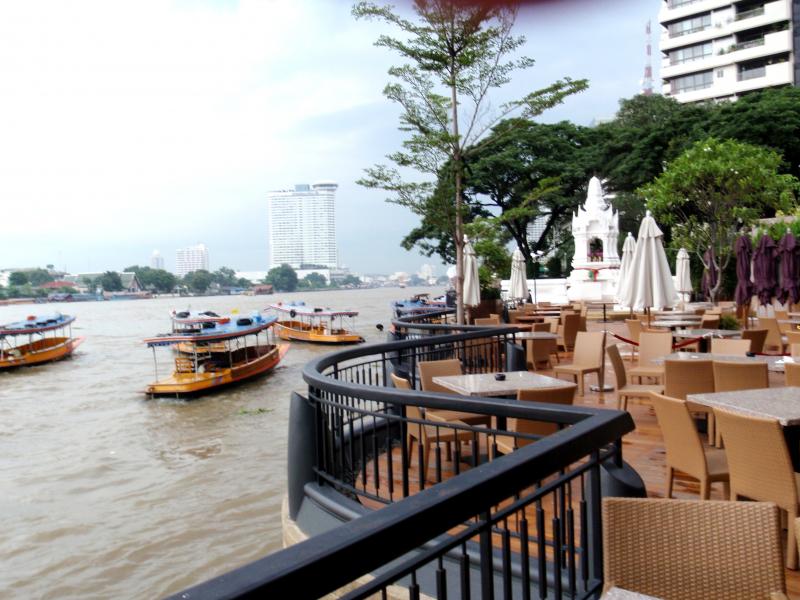
These boats have an extended shaft that acts as a rudder and propelling device. They could turn on a dime but it is not the legal tender in Thailand.
Exhibit 176 - While walking in Bangkok one stumbles on shrines, modern stores and quaint shops.
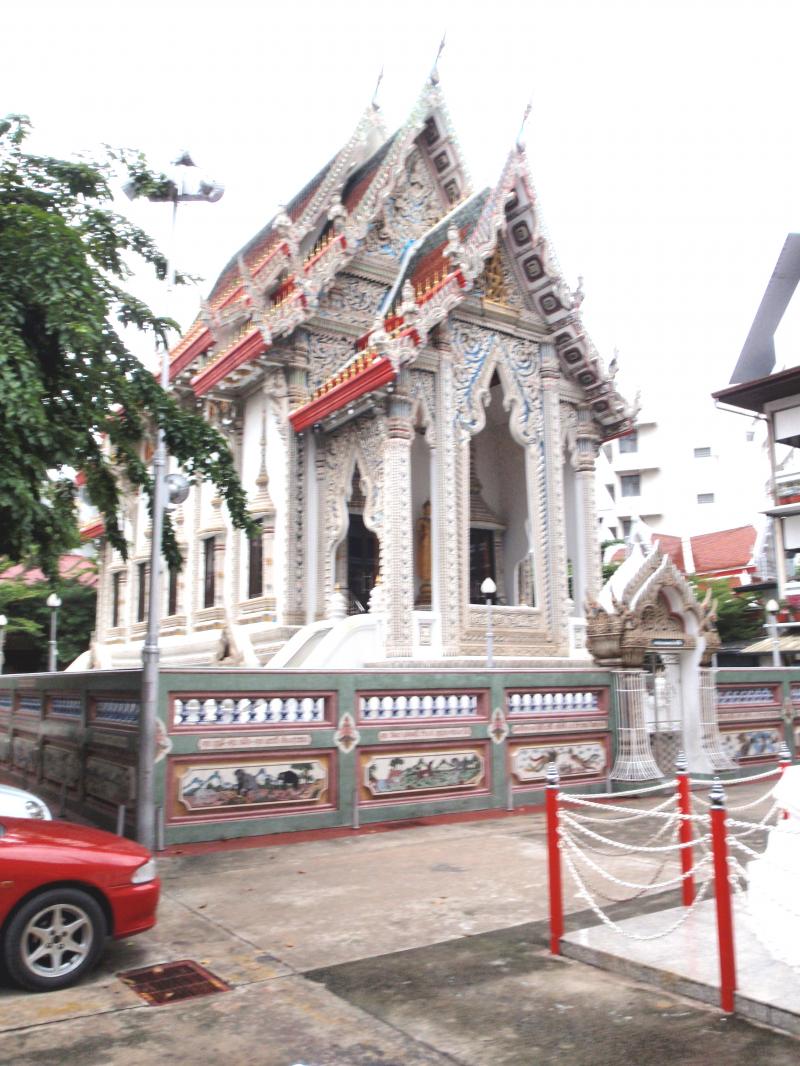
A nice Coca Cola metal poster would not be out of place.
Exhibit 177 - Scene from the river cruise.
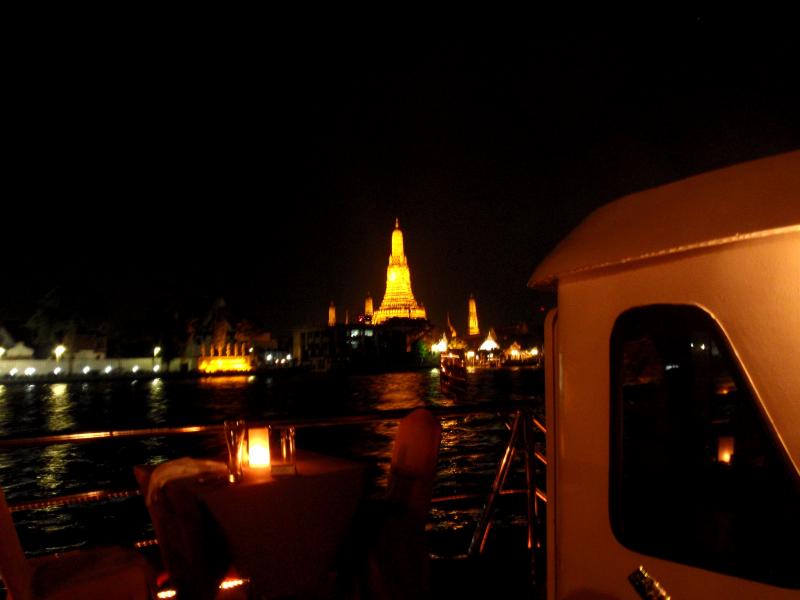
As splendid as during the day. Difficult to pay attention to your meal in that setting.
Exhibit 178 - Traditional ornate guard. 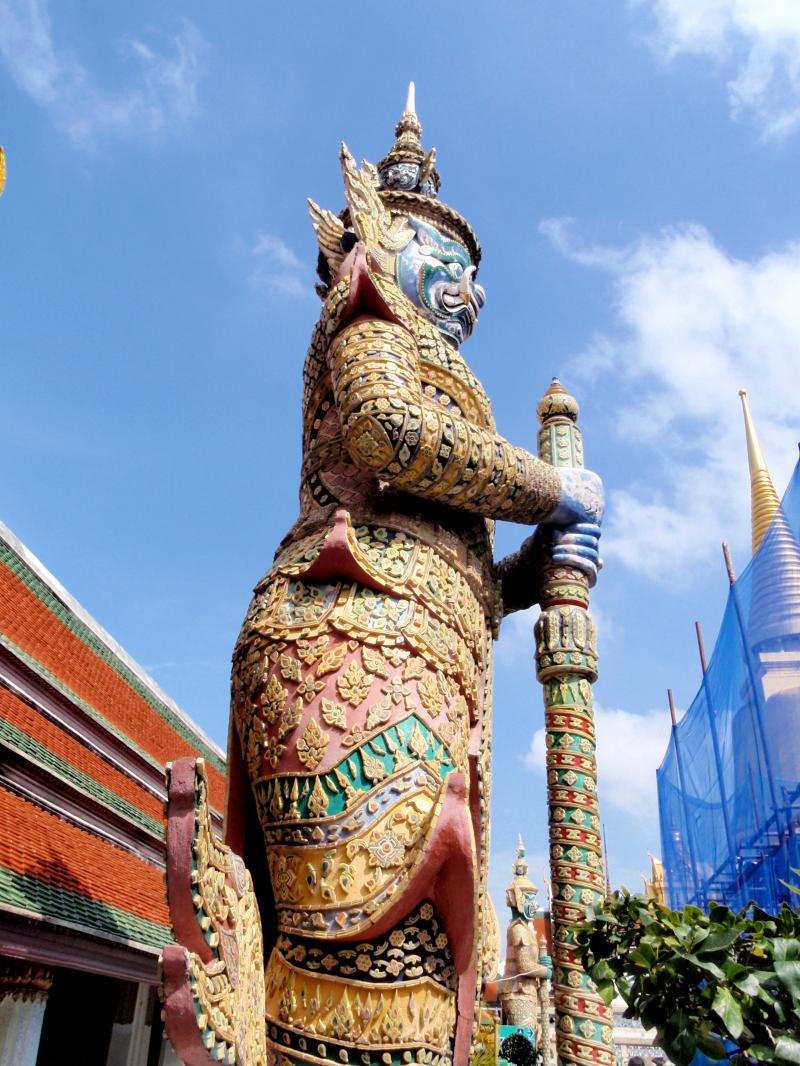
Ancient and honorable thai tradition requires that in-laws remain outside!
Exhibit 180 - Another of the hundreds of statues at the Grand Palace. This one showing some Chinese influence.
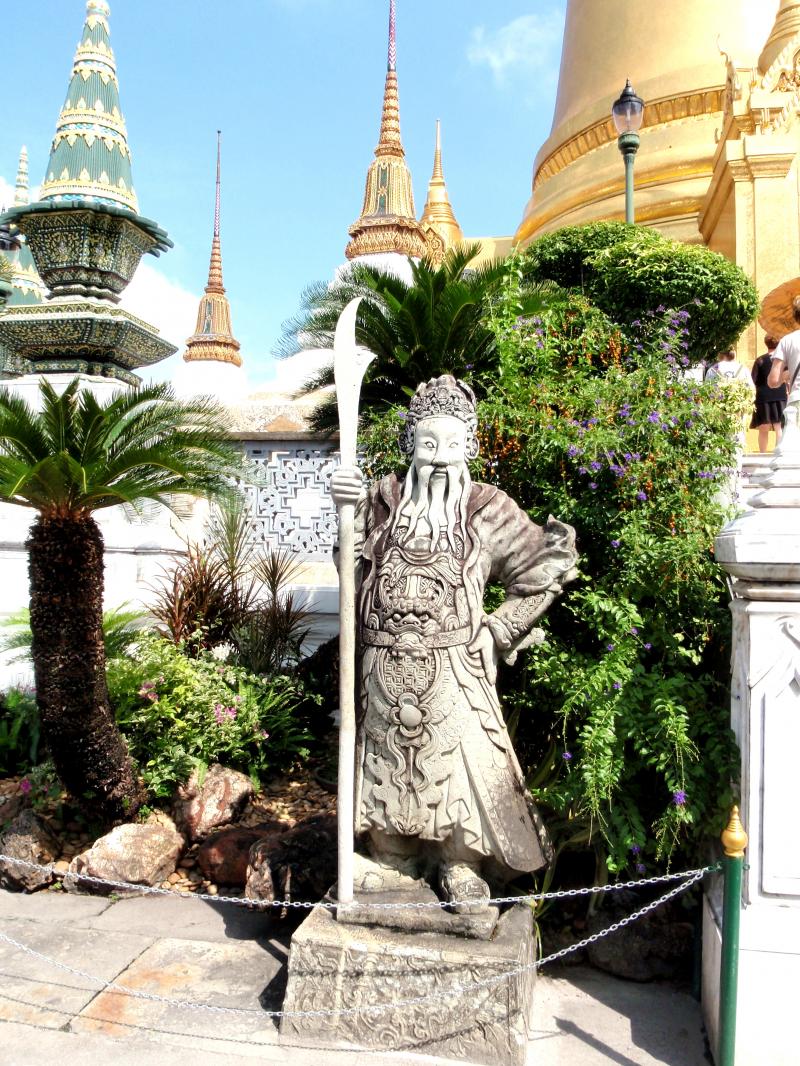
When you have hundreds of concubines you also have hundreds of in-laws!
Exhibit 181 - Intricate works of art abound throughout the Grand Palace.
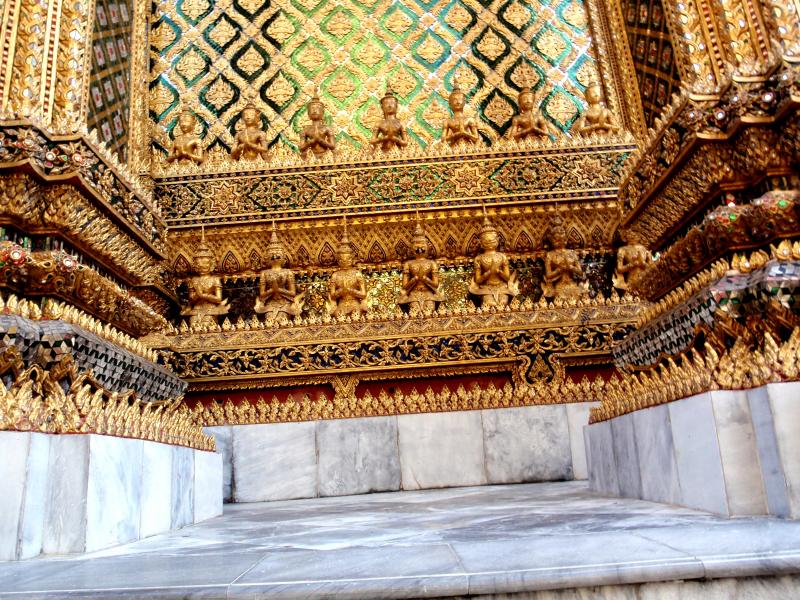
The building is level. By this stage you must have recognized that the photographer may not be,
Exhibit 182 - Grand Palace - ornamental designs at entrance to the Phra Mundop - the library of sacred texts.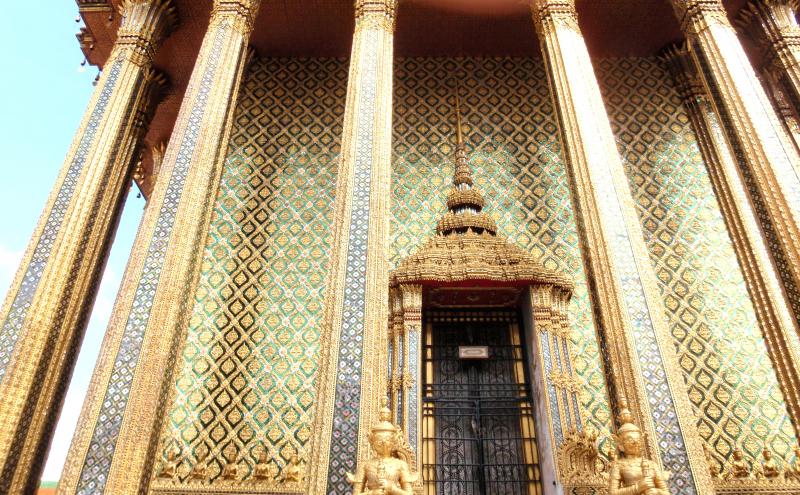
And we brag about Versailles.
Exhibit 183 - The Emerald Buddha is actually made of of green jasper and supposidly did not originate in Thailand. 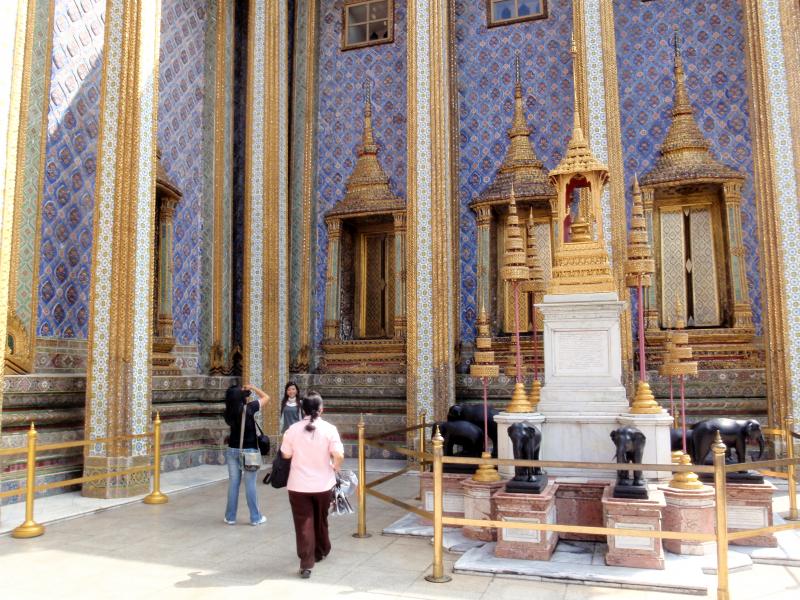
He wears three different gold suits. One for each season: summer, rain, cool. The king dresses him.
Exhibit 184 - Along the wall in the temple. 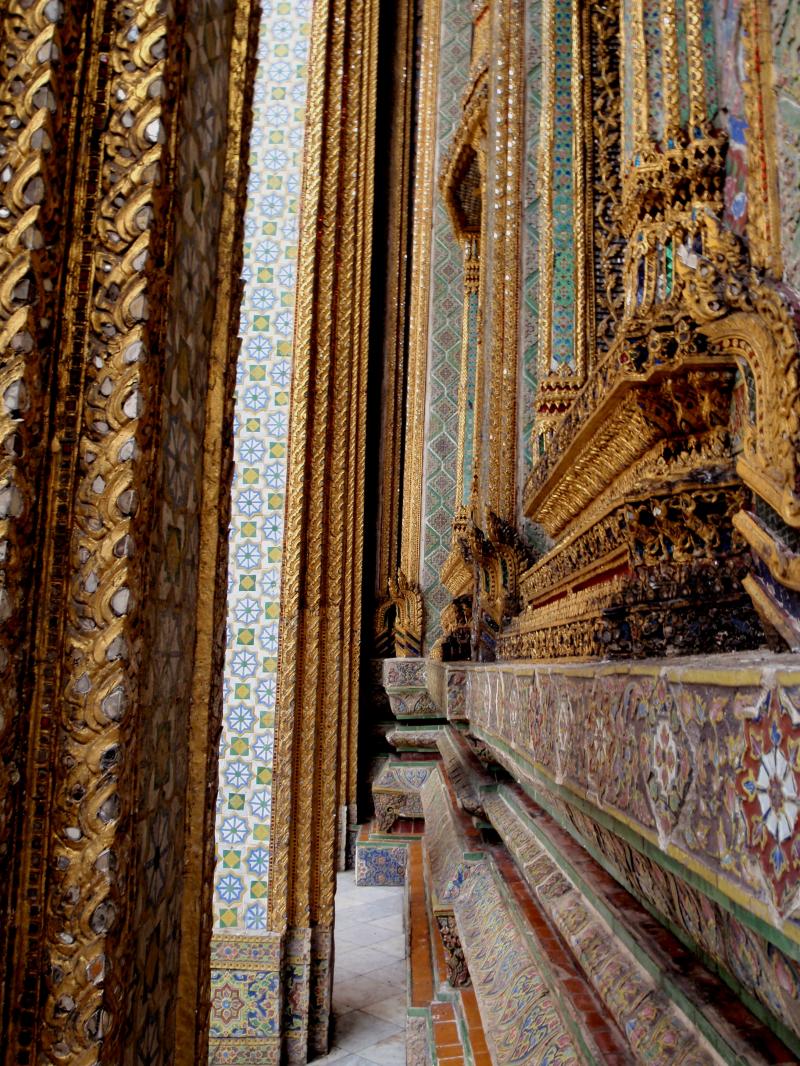
Obviously built before the advent of gyprock.
Exhibit 185 - Part of the temple complex.
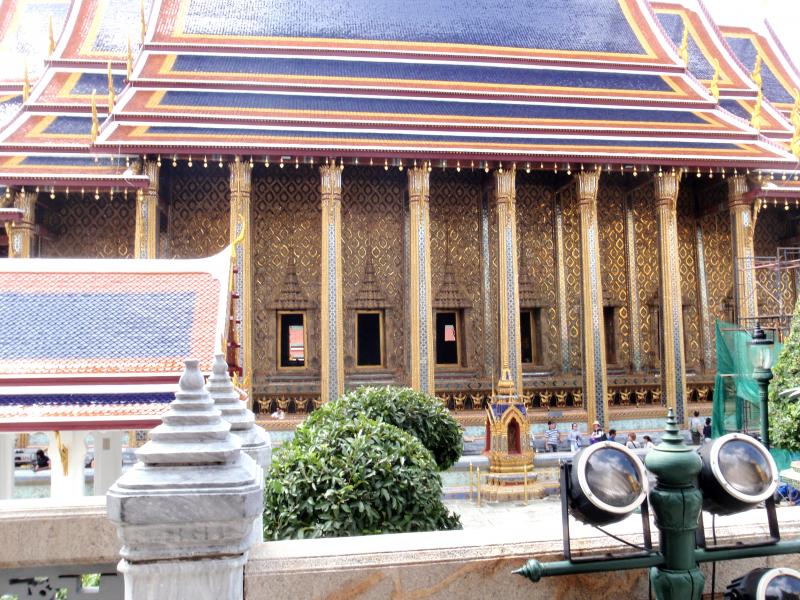
Spotlights are discreetely looking away.
Exhibit 186 - Demons
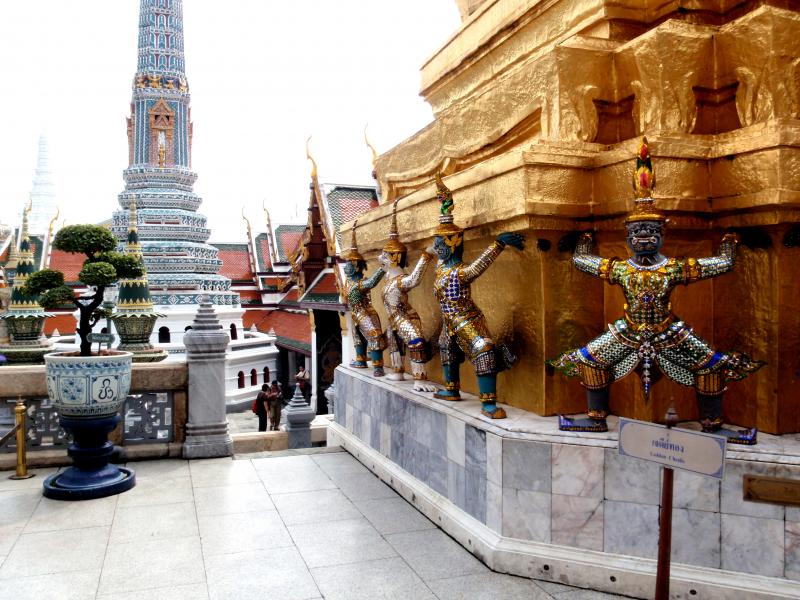
With friends like that, who needs relatives?
Exhibit 187 - Grand Palace - Temple -Temple wall.
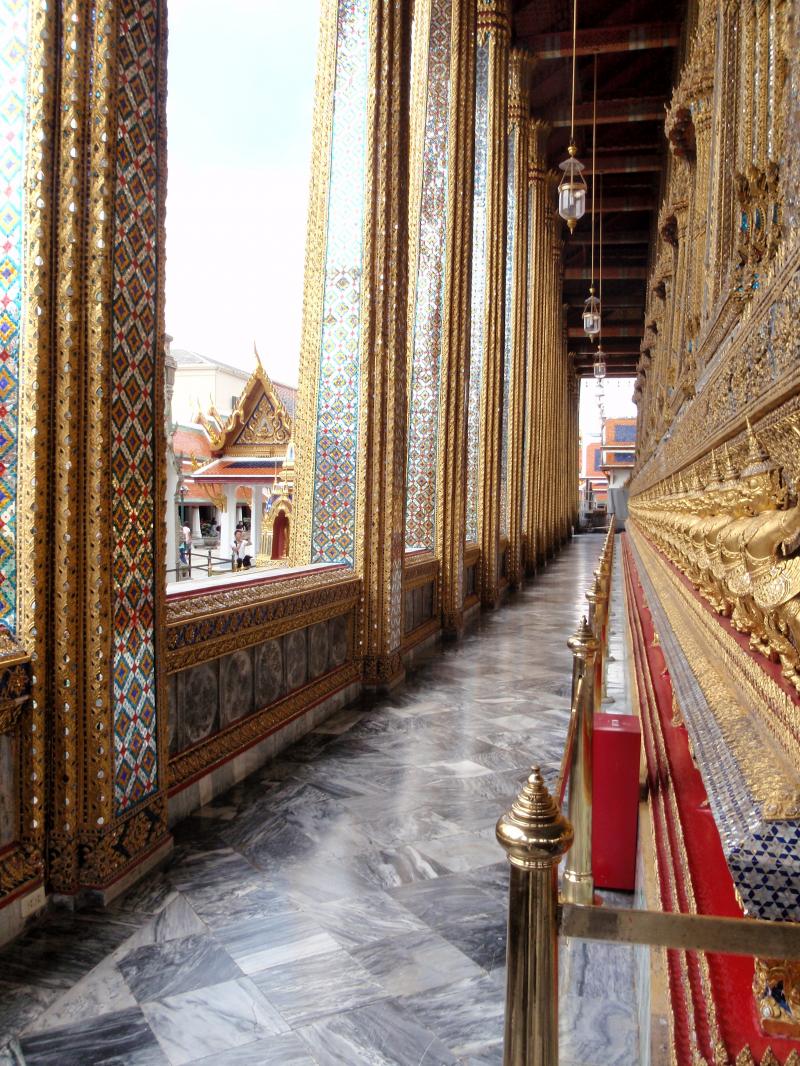
The little golden figurines go by the names Garuga and Nagas.
Exhibit 188 - Part of Chakri Mahaprasad Hall.
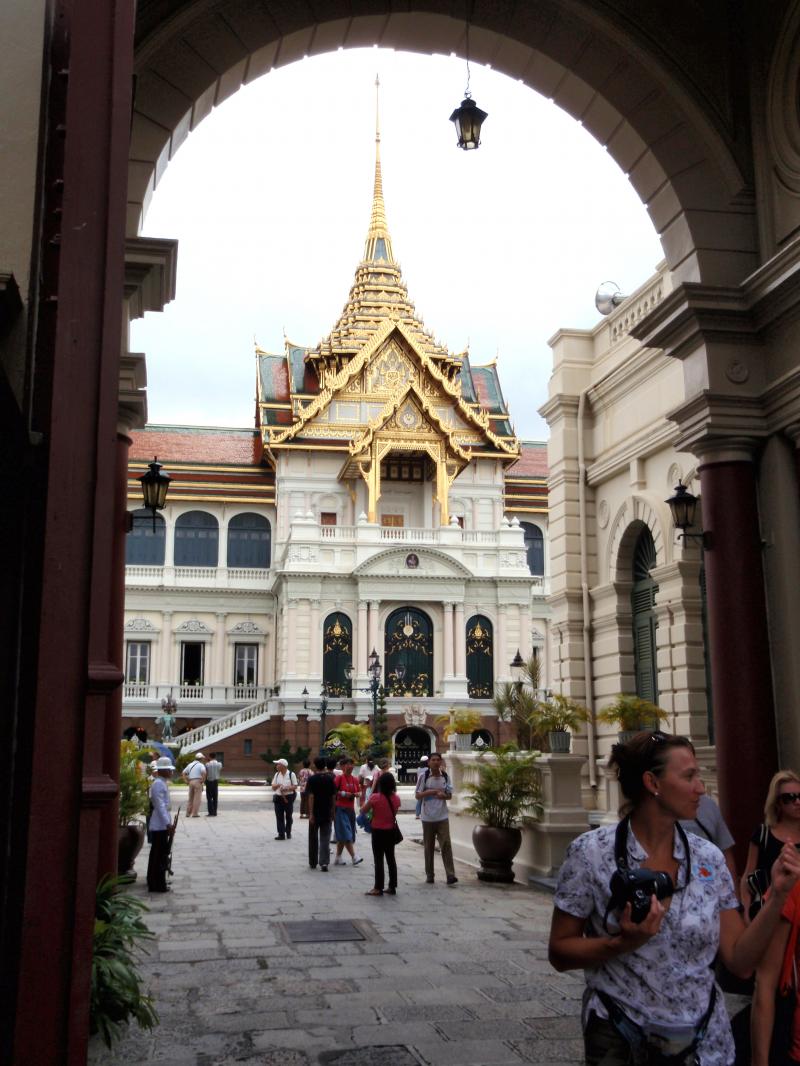
Artisticall framed by an arch. Offered as compensation for photo 181's lack of equilibrium.
Exhibit 189 - The Reclining Buddha.
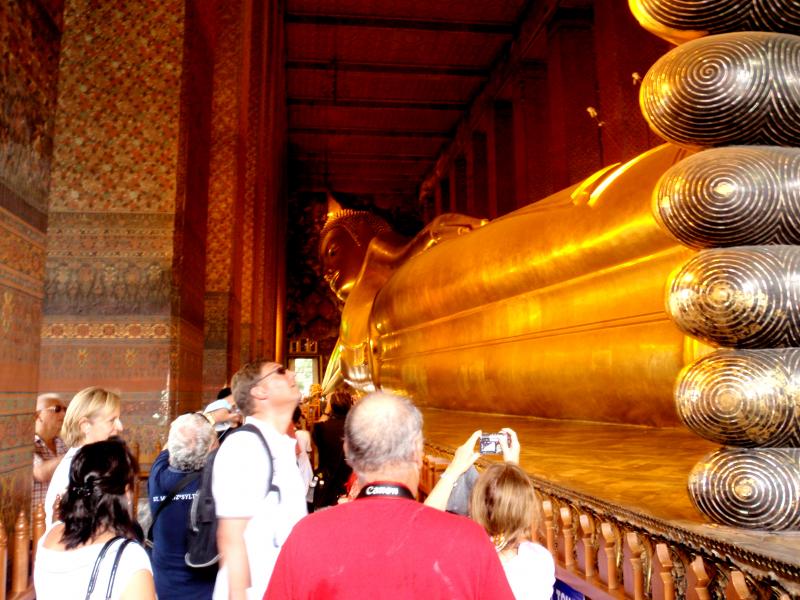
Easily identifyable by his toe prints.
Exhibit 190 - The Golden Buddha.
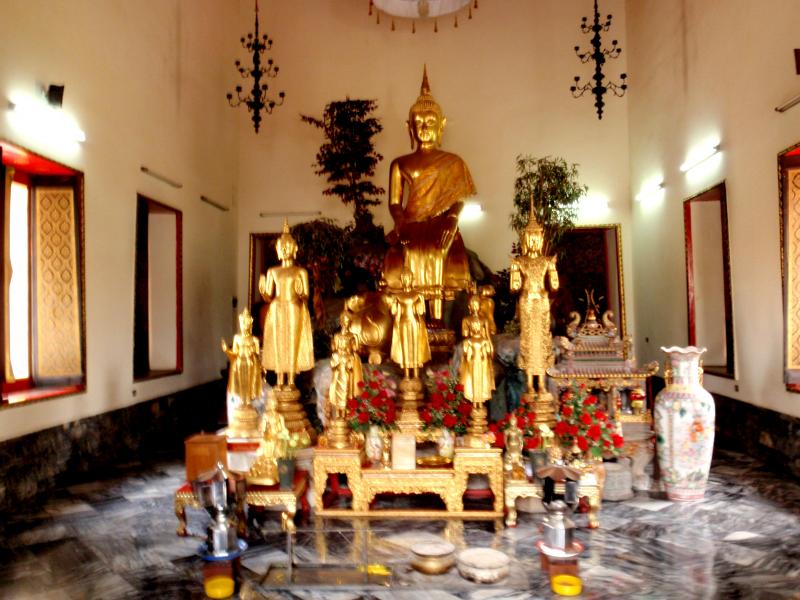
On our return back home, I broke all clay statues we owned - just in case! No luck.
Exhibit 191 - Wat Benchamabophit, The Marble Temple.
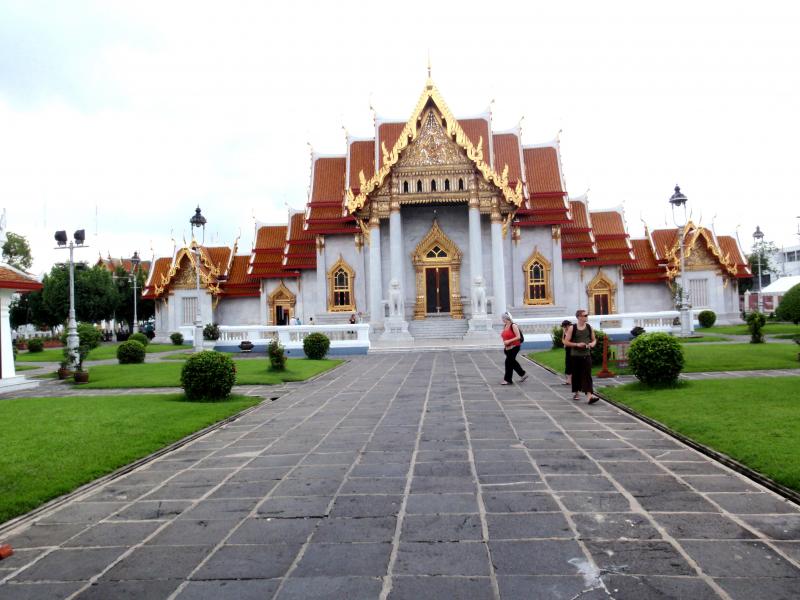
Very well maintained and active royal monastery.
Exhibit 192 - Some of the 52 buddhas in the gallery at the marble temple.
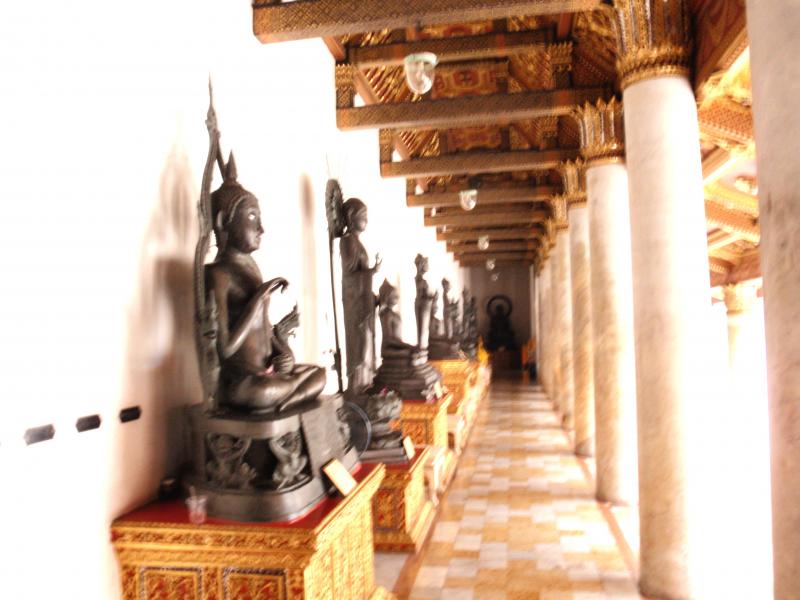
Each in a different pose, same number as weeks in a year or cards in a deck.
Exhibit 193 - Drums.
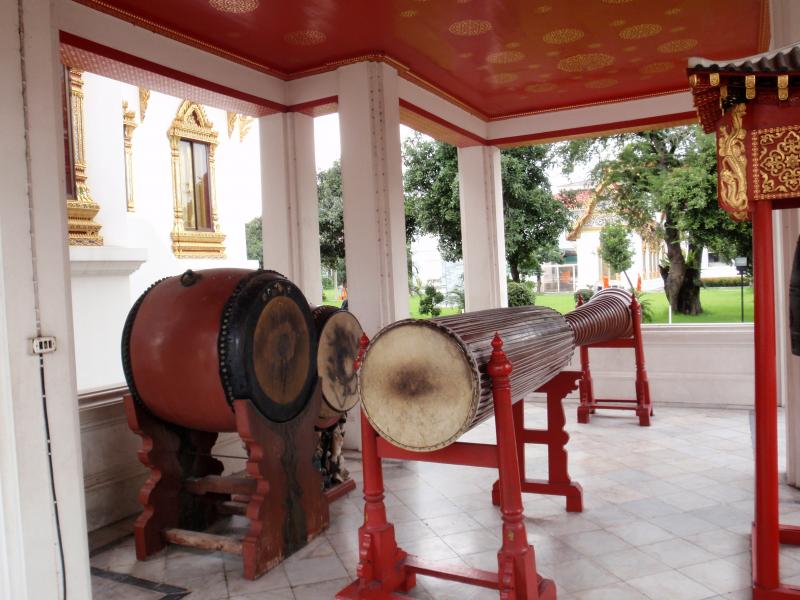
The marching band went marching right on by - something about the weight.
Chapter 19
Mumbai
Exhibit 194 - Gateway to India.
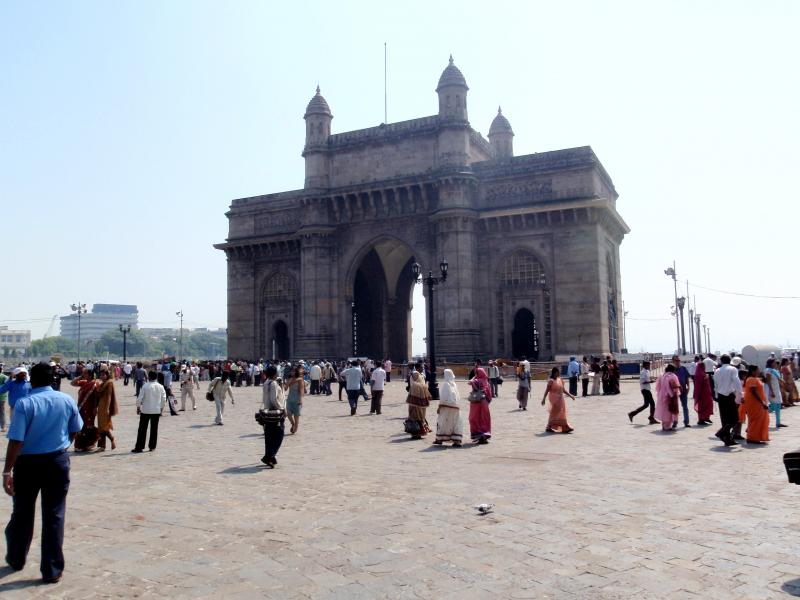
It actually turned out to be the Gateway out of India as the last British battalion ceremoniously marched out of this gate.
Exhibit 195 - The famous Taj Mahal Hotel is next door to the gateway.
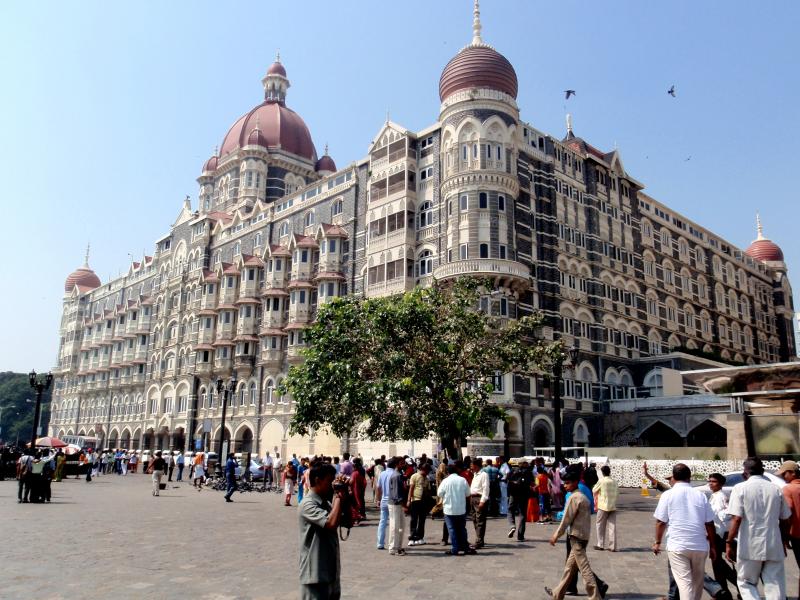
They still do not have plans to turn the hotel araound so that the entrance faces the sea. Note the red-topped corniche. This is where the pigeon aimed from.
Exhibit 196 - Statue of Chhatrapati Shivaji Raje Bhosle at the Gateway. He is a national hero, having established Hindu rule in the 17th century.
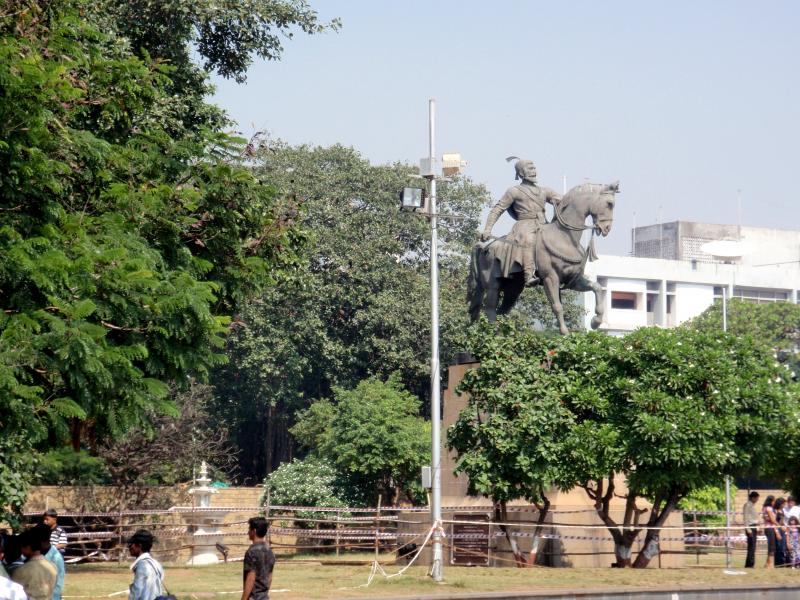
The Pigeon stayed away from him.
Exhibit 197 - Tour boats crowd the shores at the pier near the Gateway.
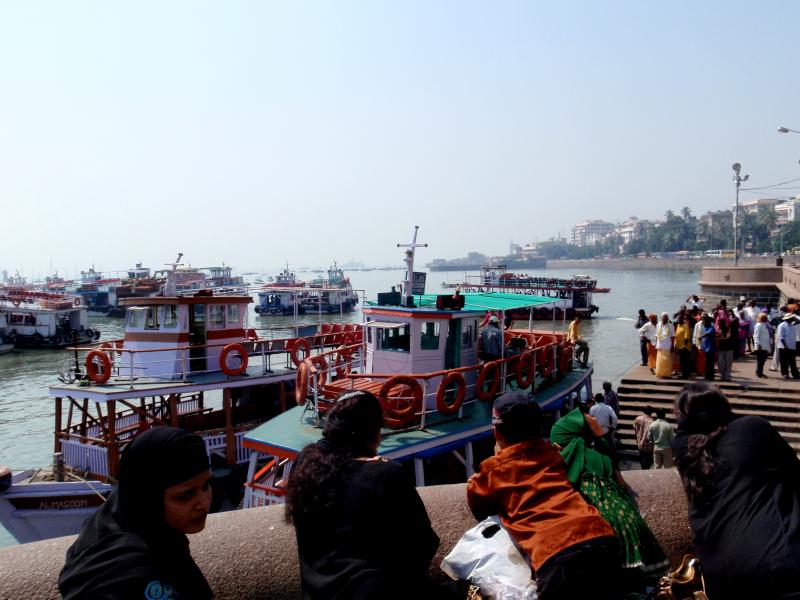
This is the pier where dignitaries first arrived in what was then Bombay.
Exhibit 198 - THe Taj Mahal Hotel from the sea.
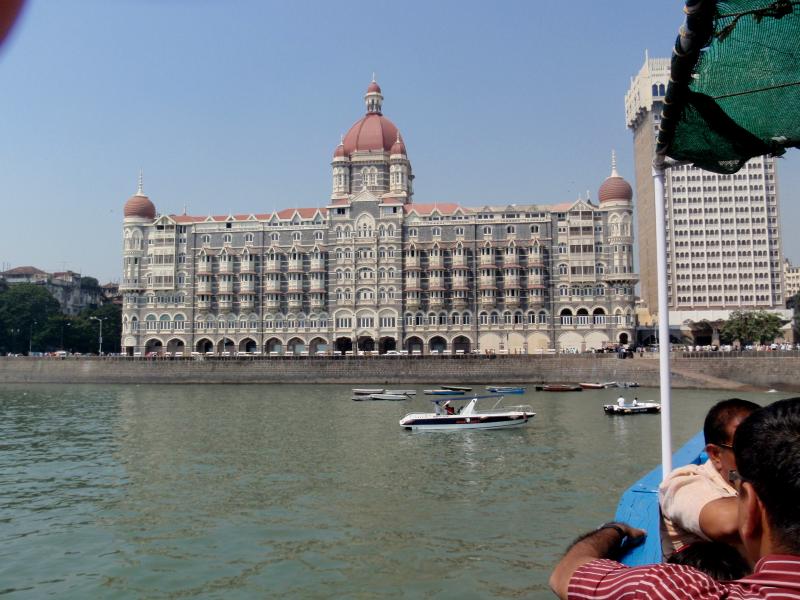
Safely out of pigeon range.
Exhibit 199 - Modern skyline from the sea.
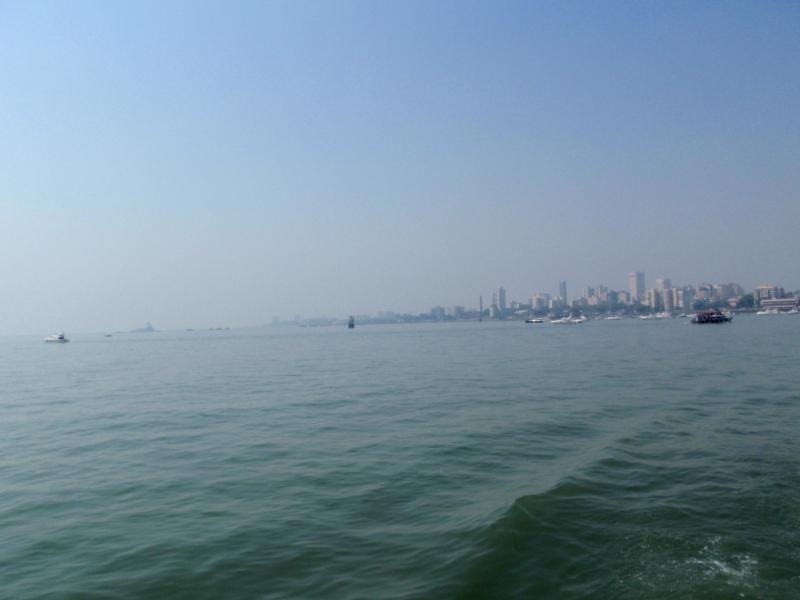
Mumbai is also a very busy port.
Exhibit 200 - Statue to honour Swami Vivekananda who played a crucial role in reviving Hinduism in India and establishing it as a recognized world religion.
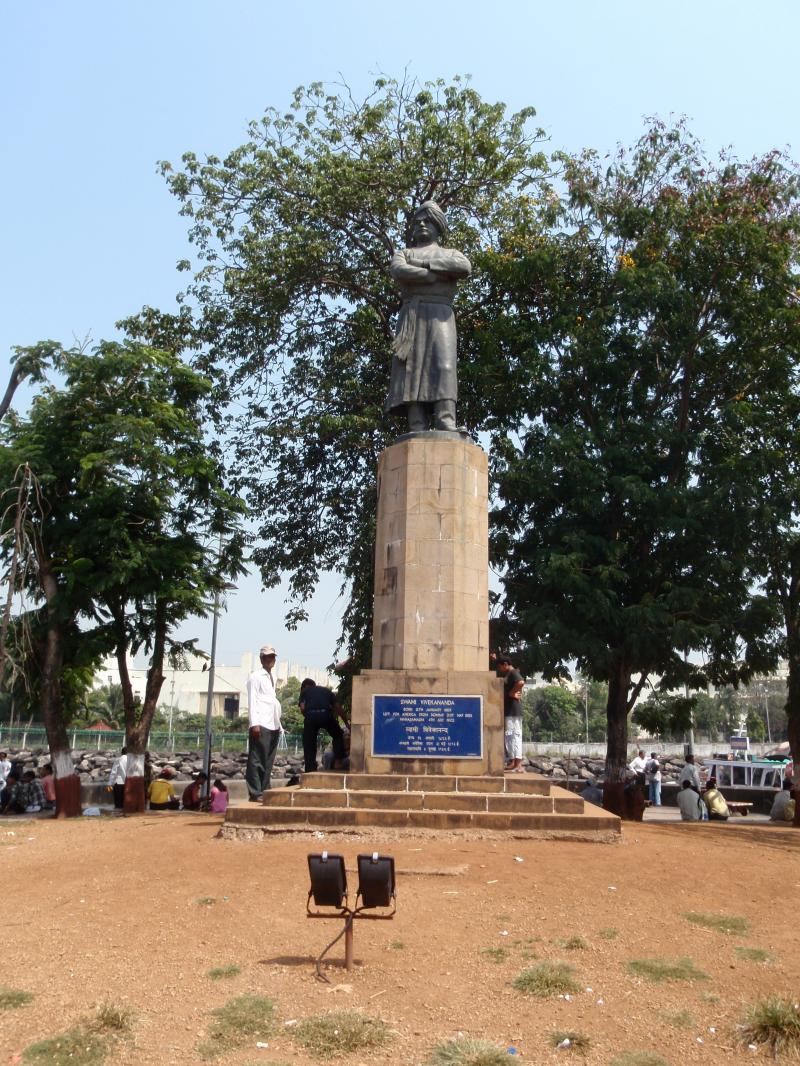
He is also credited with the introduction of Yoga to Europe and the US. I suspect that he also inspired the design of German pretzels.
Exhibit 201 - The nationalist renaming efforts throught India was not limited to city names. This sign announces the renaming of the Prince of Wales Museum.
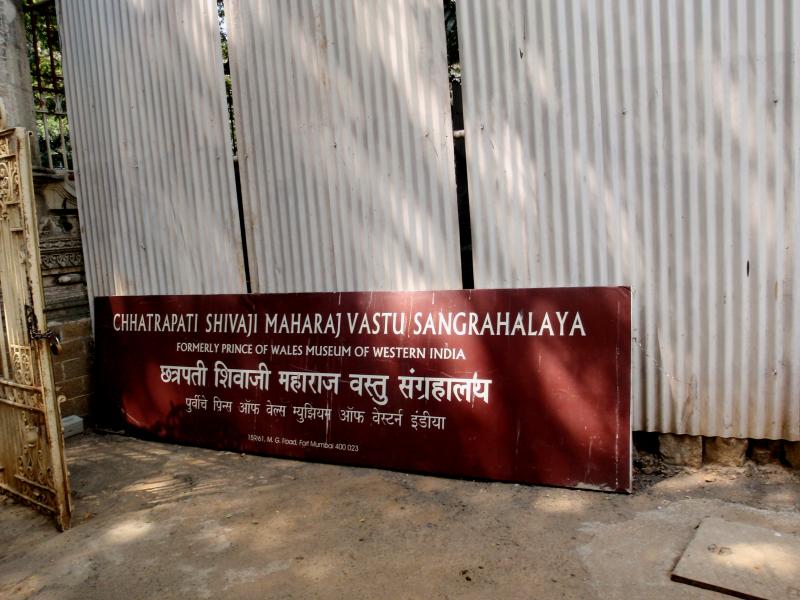
Bombay to Mumbai, Prince of Wales to Chhatrapati Shivaji Maharaj Vastru Sangrahalaya resurging national pride.
Exhibit 202 - Fort guarding the entrance to the port.
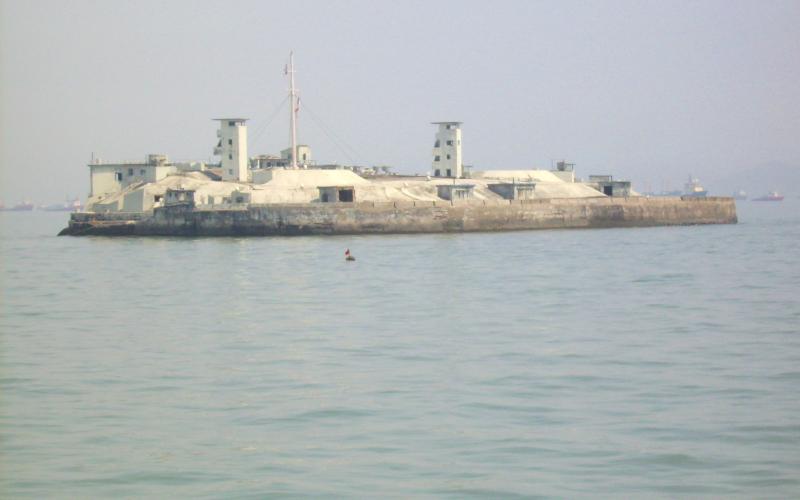
It is not floating. It is actually an island.
Exhibit 203 - Play structure Kamala Nerhu Park.
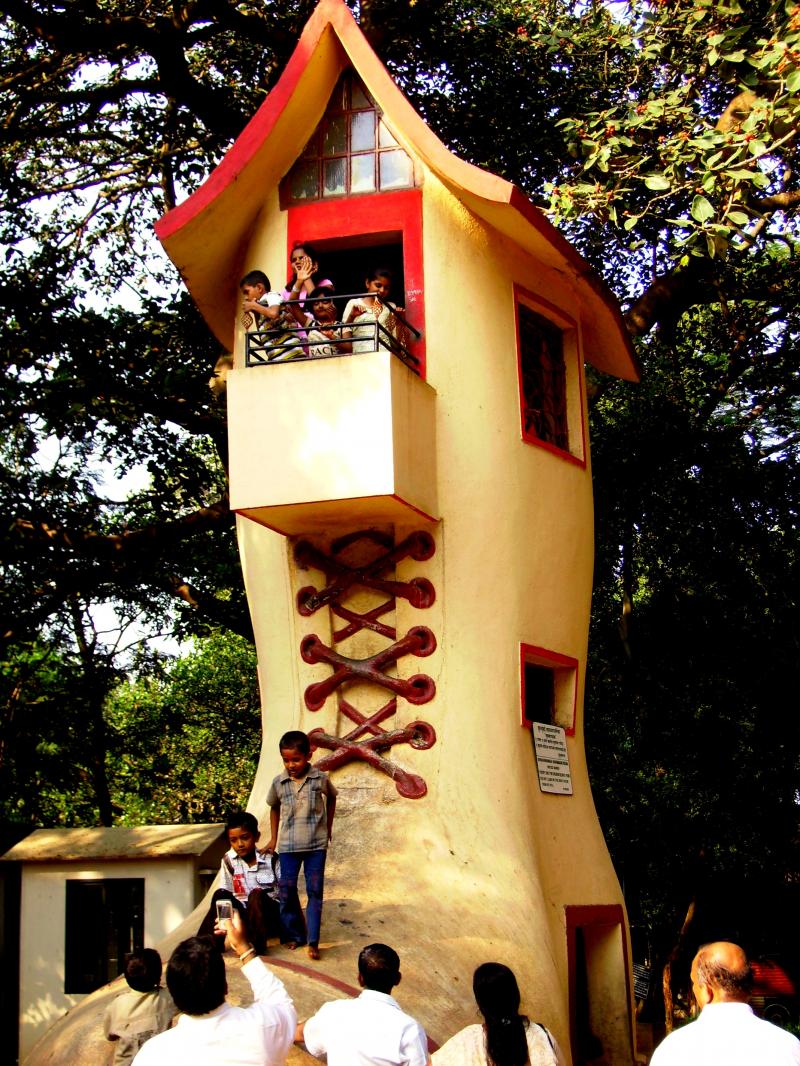
No wonder she did not know what to do! Look at all those kids!
Exhibit 204 - Lands End.
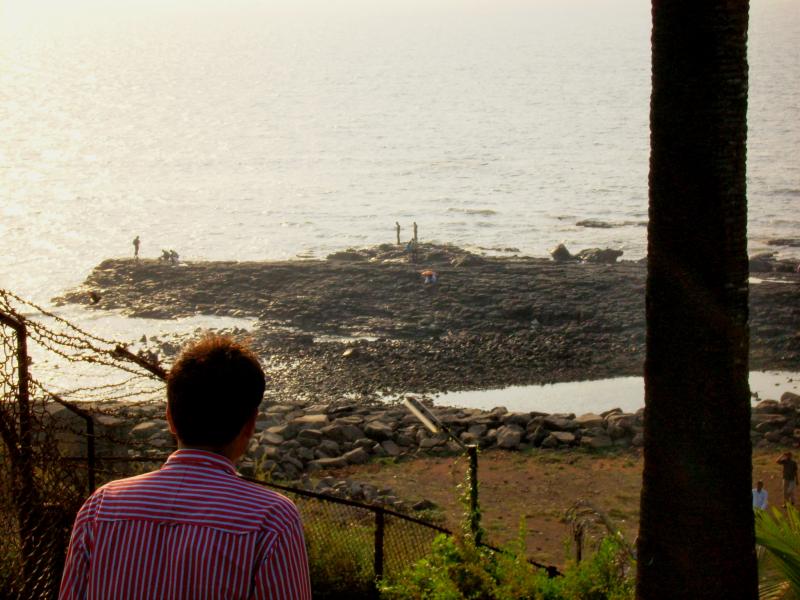
It only looks like it. Further, there is Africa and lots of other land stuff.
Exhibit 205 - The Bandra Bandstand.
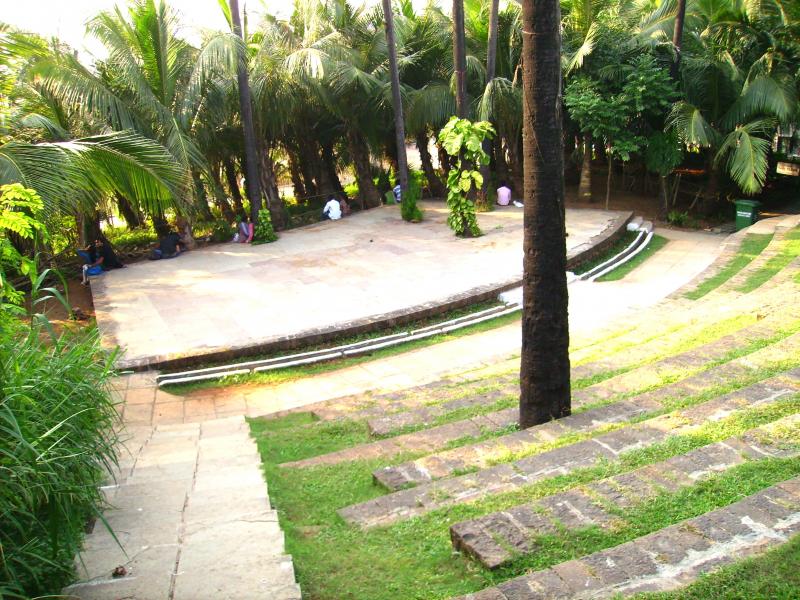
The real show was not on stage but in the upper reaches of the bandstand as assorted young couples were reaching for each other.
Chapter 20 - London and Greenwich
Exhibit 206 - Dynosaur at London's Natural History Museum
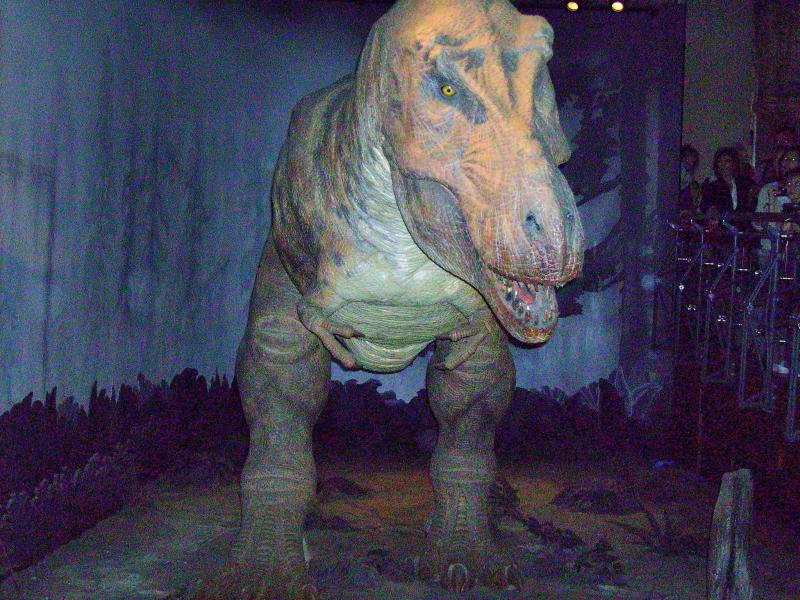
London is a national capital. it has many bureaucrats. Bound to be a few dynosaurs there.
Exhibit 207 - The Maritime Museum.
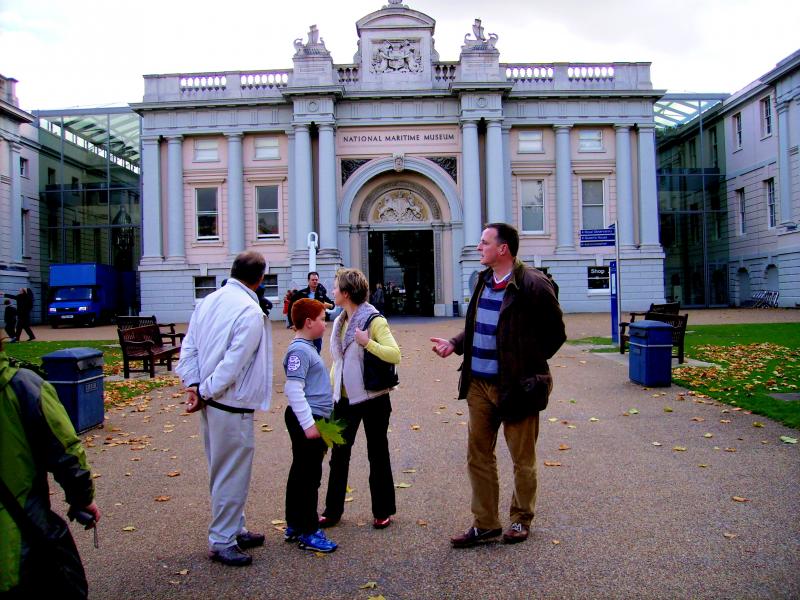
Tourists wondering where they put the sea.
Exhibit 208 - The Prime Meridian is here.
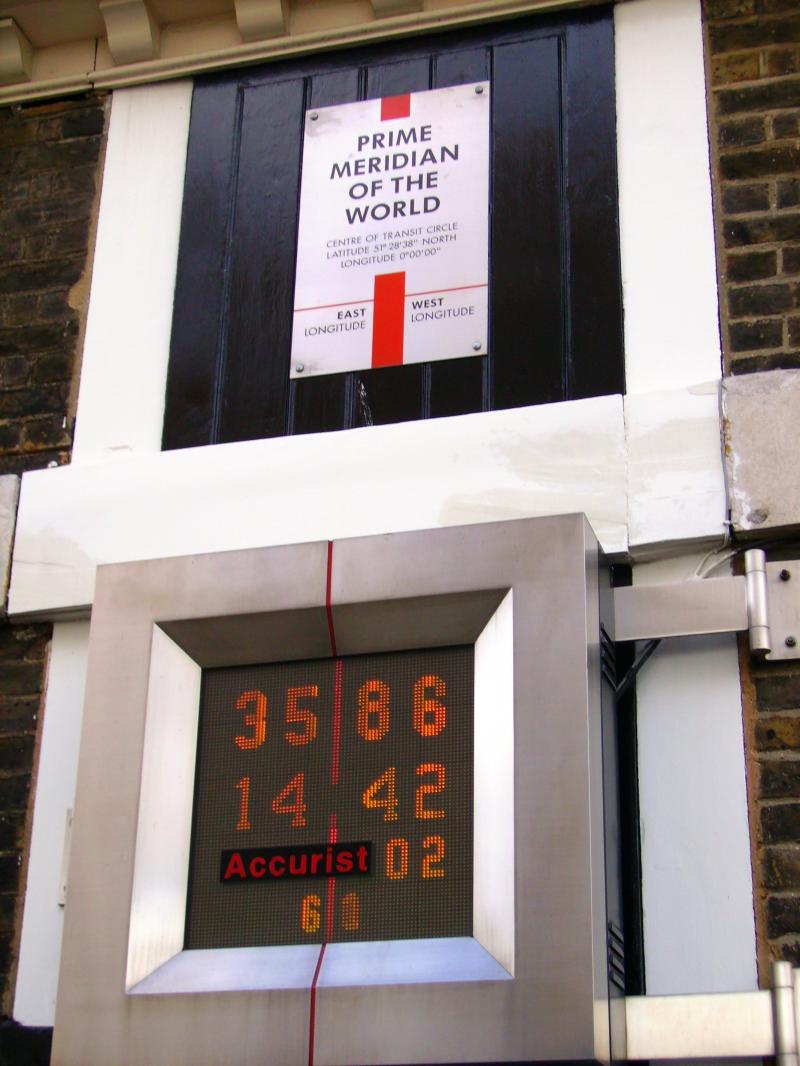
A big fuss about what amounts to be only one of 360 of these.
Exhibit 209 - THe prime Meridian is the brass plate.
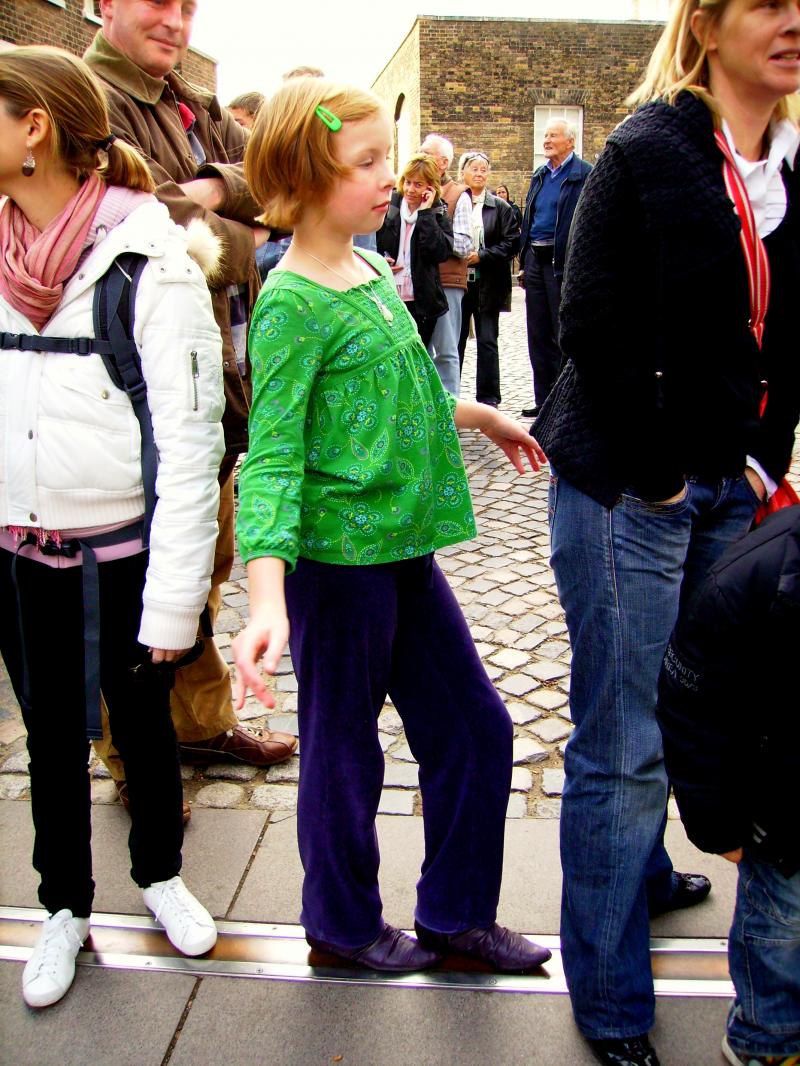
Trying not to fall in either the Eastern or Western Hemisphere.
Exhibit 210 - Greenwich - the Prime Meridian - a popular photo spot.
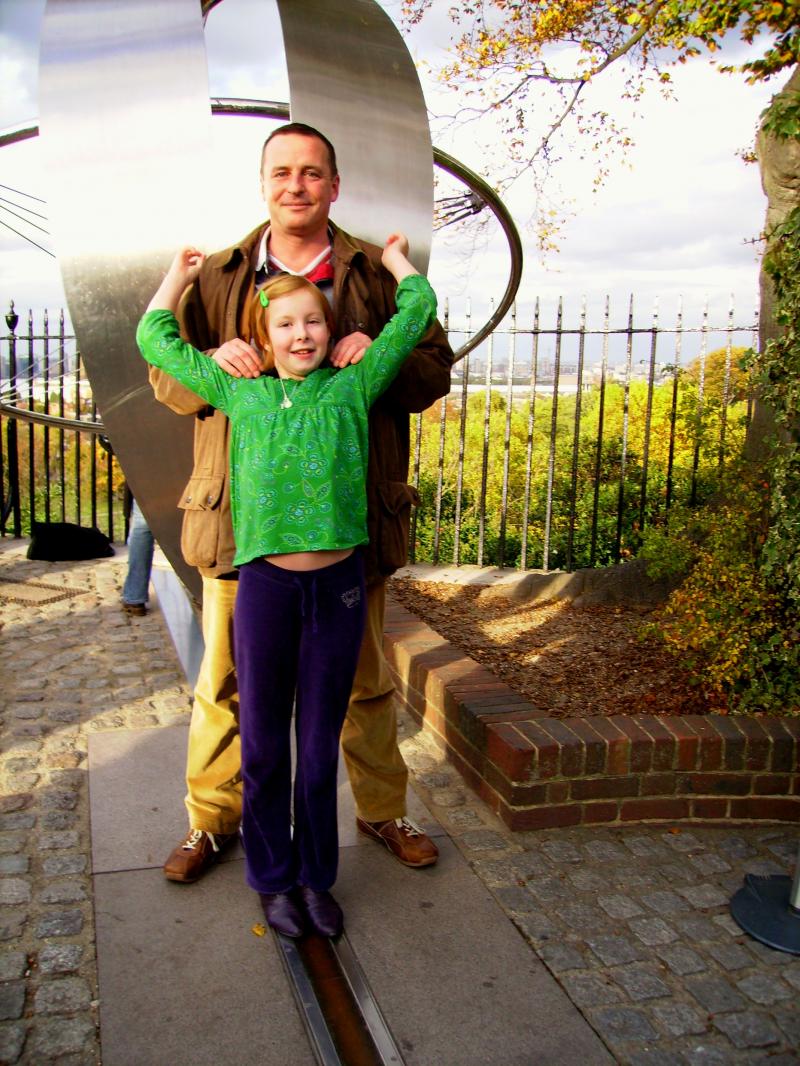
The queue at the 37th Meridian is much shorter.
Exhibit 211 - Greenich - view of the Maritime School complex from the Observatory.
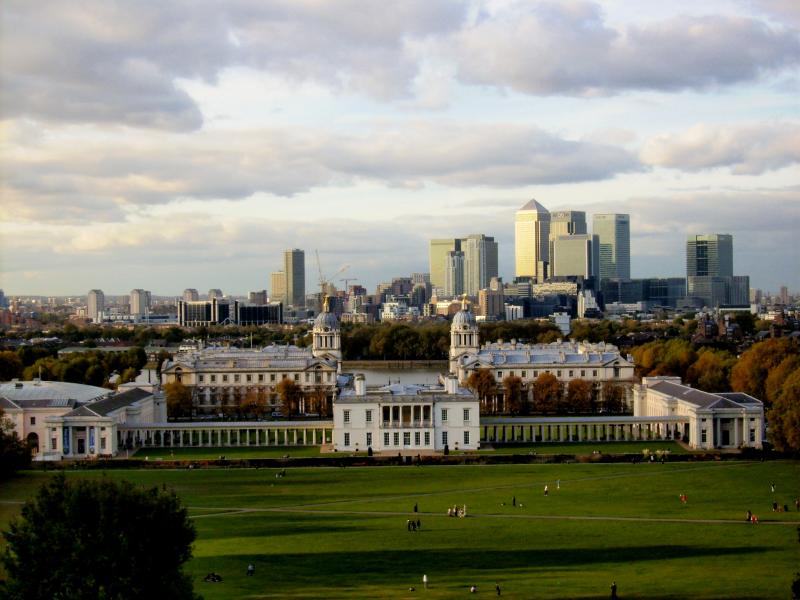
Still no waves to rule.
Exhibit 212 - General Wolfe has a monument at Greenwhich.
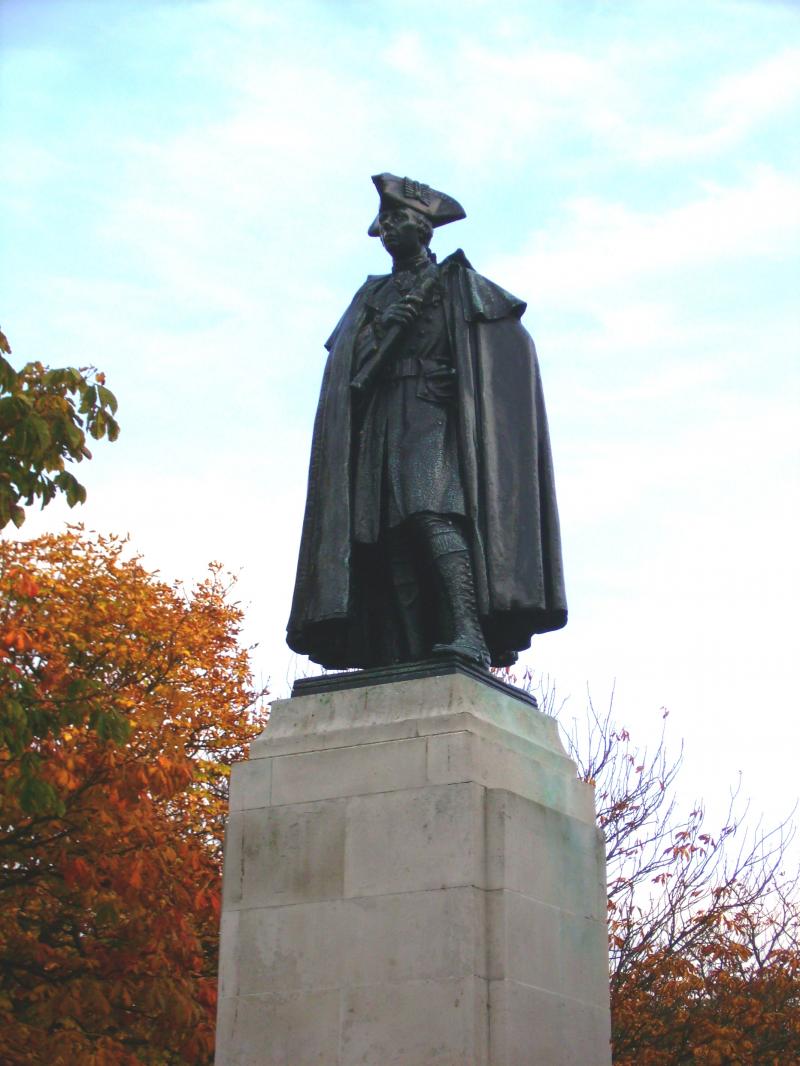
He lived in Greenwhich and is burried there. The statue, a gift from Canada was unveiled by a descendant of his old enemy, the Marquis de Montcalm.
Exhibit 213 - Greenwhich, The Observatory.
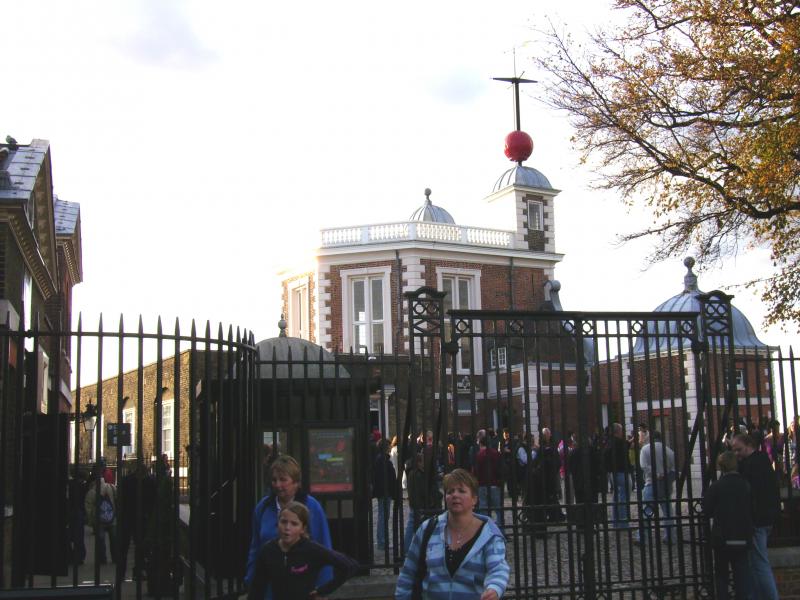
A slightly more powerful telescope on a building in the valley would yeild the same results and save tourists a harduous climb.
Exhibit 214 - Greenwhich -Standards of time and linear measures.
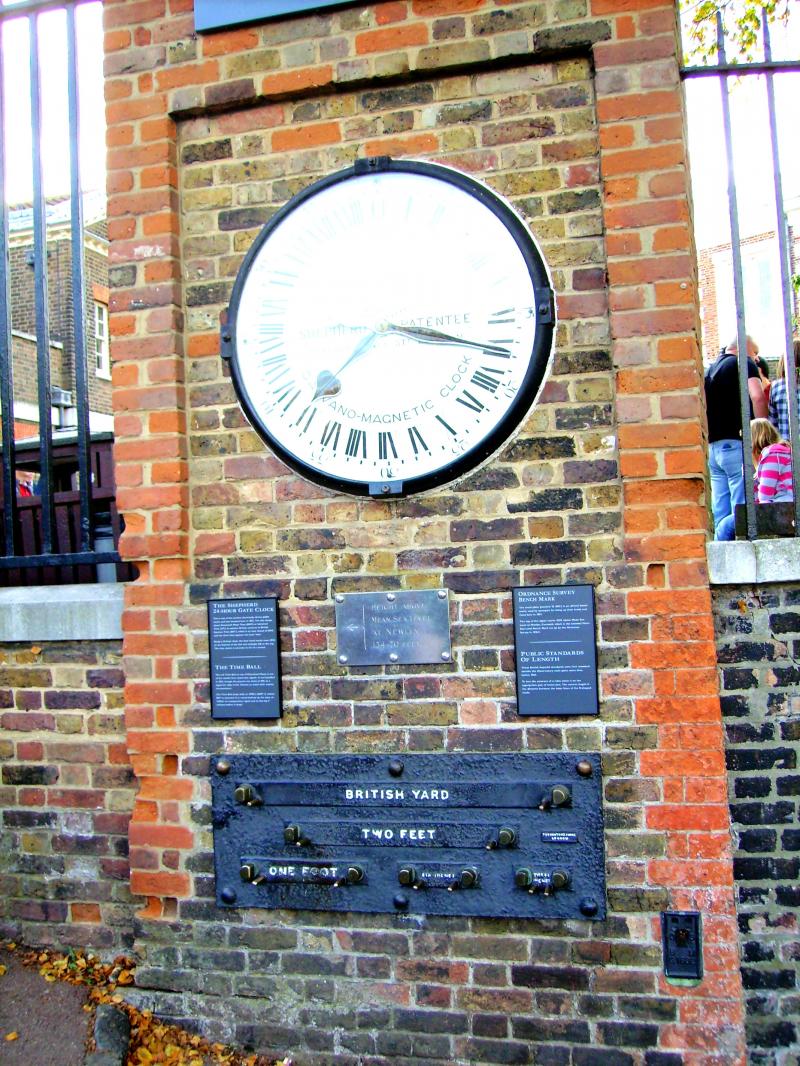
Establishing that a distance of two feet is twice as long as a distance of one foot but about 4 inches higher.
Exhibit 215 - Greenwhich - another view from the Observatory.
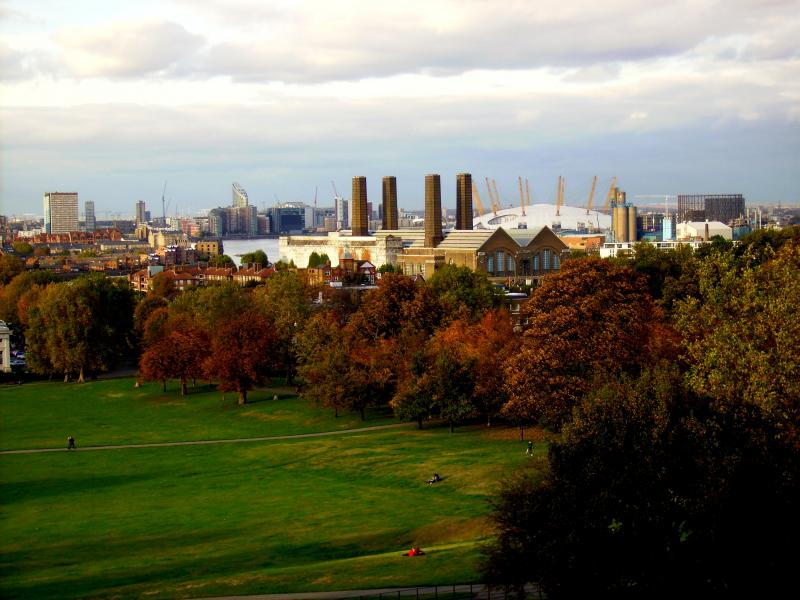
Observing is what one is supposed to do from an observatory .
Exhibit 216 - London - The Tower Bridge.
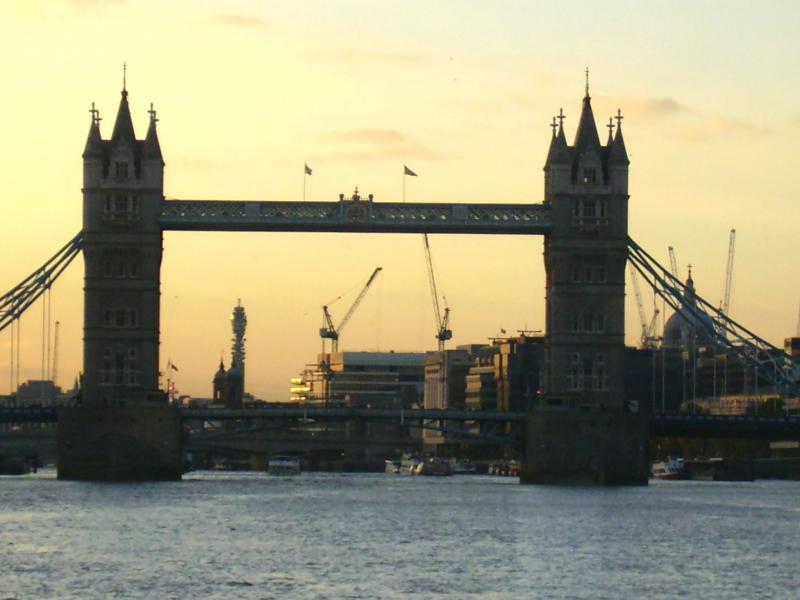
That one is not falling down.